
Increase your sales with digital advertising
Do you want to stand out in the digital world and increase your sales?
Guaranteed results in 30 days
Increased Sales
Digital Advertising
At Cleefcompany, we understand the potential of Digital Advertising to reach your ideal audience at the right time.
Our specialized team is ready to create effective campaigns that will boost your business.
We focus on real results.
It's not just about clicks, but about converting interactions into customers and sales.
With creativity, precise segmentation, and data analysis, we maximize your investment.
30-Day Results Guarantee
At Cleefcompany, we stand behind our work. We offer you a unique guarantee:
If we don't reach your goals in 30 days, we'll give you an additional 30 days free.
We are committed to maximizing your sales and taking your business to the next level.
Thanks to our performance guarantee and our commitment to our clients' success, you can be confident in getting tangible results on your advertising investment.

Start your journey to success with us!
Cleefcompany: Your Partner in Digital Success
Focus on Real Results
We are dedicated to providing you with concrete and measurable results through Digital Advertising strategies that attract quality potential customers and improve your sales.
Customer-Centered Approach
We dedicate the necessary time to understand your business needs and goals, developing strategies tailored to your brand and specific audience.
Transparency and Trust
We're more than just an advertising agency; we see ourselves as your partners in developing your business in the field of digital advertising. We maintain clear and transparent communication at every stage of the process.
Boost Your Online Results with Our High-Impact Digital Advertising
Facebook Ads
Google Ads
What is Digital Advertising?
Digital advertising is a way to promote products, services, or brands using digital media, such as the internet and electronic devices.
Unlike traditional advertising, which focuses on print media, radio, and television, digital advertising leverages online platforms such as websites, social media, search engines, and mobile apps to reach its target audience.
Benefits of Digital Advertising
Digital advertising offers a number of key benefits that make it attractive to businesses in the digital age:
Precise Segmentation
It allows you to specifically target relevant audiences based on demographics, interests, and online behavior.
Broad Reach
Reach a global or local audience, depending on the needs of the business, without geographical limitations.
Cost-effectiveness
It offers flexible budgeting options and allows for better control of advertising spending compared to traditional media.
Interaction and Engagement
It facilitates two-way interaction between the brand and the consumer through comments, sharing on social networks, and other forms of active participation.
Measurement and Analytics
It provides tools to measure campaign performance in real time and conduct detailed analyses to optimize future strategies.
Differences between Digital and Traditional Advertising
Digital and traditional advertising differ in several key aspects:
Resources Used
Traditional advertising relies on media such as television, radio, newspapers, and magazines, while digital advertising uses online channels such as websites, social media, and mobile applications.
Geographic Scope
Traditional advertising typically has a local or regional reach, while digital advertising can reach global audiences more effectively.
Segmentation and Targeting
Digital advertising allows for more precise targeting based on demographics, online behavior, and interests, compared to traditional advertising.
Interactivity and Engagement
Digital advertising encourages greater user interaction and engagement through interactive features and the ability to share content in real time.
Measurement and Analytics
Digital advertising offers advanced measurement and analysis tools that allow for a more accurate evaluation of campaign performance compared to traditional advertising.
Types of Digital Advertising
There are several types of digital advertising that businesses can use to achieve their marketing goals:
Search Ads
They appear in search engine results like Google, aimed at users looking for information related to specific products or services.
Display Ads
They are displayed in the form of graphic or text banners on websites and mobile applications, with the aim of generating brand awareness or promoting products and services.
Video Ads
Commercials in video format that play before, during, or after video content on platforms such as YouTube or social media.
Social Media Advertising
Ads that appear in the news feed and other locations within social media platforms such as Facebook, Instagram, Twitter, and LinkedIn, targeted to specific audiences based on demographics and interests.
Segmentation and Targeting Strategies

Segmentation and targeting are fundamental elements in digital advertising, allowing companies to precisely target their target audience.
Next, we will explore the importance of segmentation, the available segmentation methods, and the advanced targeting tools used in digital advertising.
Importance of Segmentation in Digital Advertising
Segmentation in digital advertising is crucial because it allows companies to direct their marketing efforts toward specific audiences that are more likely to be interested in their products or services.
By identifying and segmenting consumers based on demographic characteristics, online behaviors, and interests, companies can optimize the performance of their campaigns and maximize the return on advertising investment.
Identifying and Understanding the Target Audience
To carry out effective segmentation, it is essential to identify and understand the target audience.
This involves analyzing demographic data, online behavior, purchasing preferences, and other relevant factors to determine which consumers are best suited to target advertising messages.
Segmentation Methods in Digital Advertising
There are several segmentation methods that companies can use in their digital advertising strategies:
1. Segmentation by Demographic Data: This form of segmentation is based on characteristics such as age, gender, income, education level, and marital status to divide the audience into homogeneous groups.
2. Segmentation by Online Behaviors: It focuses on the behavior of online users, such as the web pages they visit, the actions they take on a website, and the searches they perform on search engines.
3. Segmentation by Interests: It consists of identifying users' interests and preferences based on their online activities, the content they consume, and the pages they follow on social networks.
Advanced Targeting Tools in Digital Advertising
In addition to traditional segmentation methods, there are advanced targeting tools that allow for greater precision in ad delivery:
1. Remarketing: It allows you to target users who have previously interacted with the company's website, showing them personalized ads when they browse other websites or online platforms.
2. Contextual Targeting: It consists of displaying relevant ads based on the content of the website or mobile application where the ads are shown, ensuring greater relevance for the user.
3. Targeting by Custom Audiences: It allows you to create custom audiences based on your own company data, such as existing customer lists, email addresses, or phone numbers, to reach specific users with relevant messages.
4. Geographic and Device Targeting: It allows you to target users in specific geographic locations or on particular devices, which is especially useful for businesses with local audiences or that want to tailor their messages to mobile or desktop devices.
Search Engine Optimization (SEO)
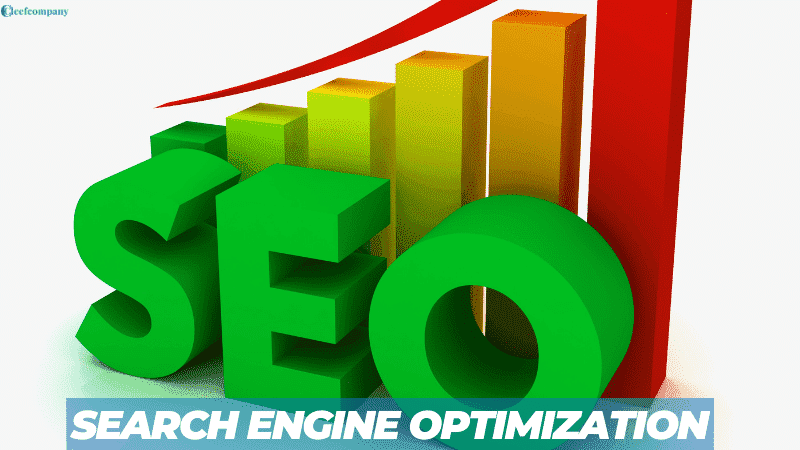
SEO (Search Engine Optimization) plays a fundamental role in improving the visibility and ranking of a website in organic search results.
Next, we'll explore the importance of SEO, key strategies for optimizing content and the website, as well as tactics for increasing organic visibility and attracting qualified traffic.
Importance of SEO in Online Visibility
SEO is essential to increase a website's online visibility and ensure that it appears in the top search results when users search for information related to the products or services offered by a company.
By optimizing website content and structure according to SEO best practices, you can significantly improve search engine rankings and increase organic traffic.
Keyword Research
Keyword research is a fundamental component of SEO, which involves identifying the words and phrases that users most frequently use when searching online.
By selecting relevant, high-volume keywords, businesses can target their content toward the most important search queries and attract a wider target audience.
Content Optimization for SEO
Content optimization is key to improving a website's SEO. This includes:
1. Use of Keywords: Integrate keywords naturally into the content to improve relevance and ranking in search engines.
2. Creating Quality Content: Develop useful, relevant, and original content that answers users' questions and needs.
3. Optimization of Content Structure: Organize the content logically and coherently using headings, lists, and short paragraphs to facilitate reading and indexing by search engines.
4. Image and Multimedia Optimization: Use descriptive alt tags, relevant file names, and image compression to improve website accessibility and performance.
5. Continuous Updating and Maintenance: Keep content up-to-date and relevant by adding new posts, reviewing old content, and correcting errors.
Technical Optimization of the Website
In addition to content optimization, technical website optimization is crucial for improving SEO:
1. Site Loading Speed: Optimize website performance to ensure fast loading times, which improves user experience and search engine ranking.
2. Optimization for Mobile Devices: Ensuring that the website is responsive and optimized for mobile devices is crucial given the increasing number of users accessing the internet from their mobile devices.
3. URL Structure and Navigation: Use a clear and logical URL structure, as well as intuitive navigation, to facilitate indexing and navigation of the site by users and search engines.
4. Optimization of the Robots.txt File: Properly configure the robots.txt file to control which pages of the site are crawled and indexed by search engines.
5. Use of Meta Tags and Structural Markup: Integrate meta descriptions and structure content using semantic markup to improve search engine understanding of the content.
Strategies to Increase Organic Visibility
To increase organic visibility and improve SEO, companies can implement the following strategies:
1. Creating Quality Content: Develop valuable and relevant content that answers users' questions and needs.
2. Keyword Optimization: Integrate relevant keywords into site content and tags to improve search engine ranking.
3. Building Quality Links: Obtain links from relevant and authoritative websites to improve the site's authority and ranking in search engines.
4. Improving the User Experience: Prioritize user experience when designing and optimizing the website, including fast loading times, intuitive navigation, and relevant and useful content.
5. Use of Social Networks and Content Marketing: Promote content through social media and content marketing strategies to increase visibility and generate additional links and mentions.
Attracting Qualified Traffic to the Website
To attract qualified traffic to the website and improve SEO, companies can implement the following strategies:
1. Relevant and Persuasive Content: Develop content that is relevant and persuasive to the target audience, which may include blog posts, guides, case studies, and multimedia content.
2. Search Engine Optimization (SEO): Implement SEO practices on the website, such as keyword research, content optimization, and site structure improvement, to increase visibility in search engines.
3. Targeted Digital Advertising: Use targeted digital advertising strategies, such as targeted search and display ads, to reach interested users and direct them to the website.
4. Content Marketing and Social Media: Promote content through content marketing and social media strategies to increase website visibility and traffic.
5. Email Marketing Strategies: Use email marketing to attract qualified traffic to the website by sending relevant content and special offers to the subscriber list.
By effectively implementing these strategies, businesses can increase qualified traffic to their website and improve their online visibility, resulting in higher conversions and online success.
Social Media Advertising

Social media has become an integral part of digital advertising strategies due to its massive reach, interaction capabilities, and precise targeting.
We will explore the importance of social media advertising, the key platforms, the advertising options available, and best practices for creating effective ads.
Importance of Social Networks in Digital Advertising
Social media offers a number of significant benefits for digital advertising strategies:
1. Massive and diversified reach: Social media has a huge and diverse user base, allowing brands to reach audiences around the world with different demographic profiles and interests.
2. Interaction and commitment: Social media provides an interactive environment where brands can interact directly with their audience, fostering participation, conversation, and brand engagement.
3. Precise segmentation: Social media platforms offer advanced targeting tools that allow brands to specifically target audiences based on demographics, interests, online behaviors, and more, ensuring that ads reach the right people at the right time.
4. Personalization and relevance: Social media advertising allows brands to create highly personalized and relevant ads that adapt to users' individual interests and preferences, increasing the effectiveness and resonance of advertising messages.
5. Measurement and analysis: Social media platforms provide comprehensive measurement and analytics tools that allow brands to track the performance of their campaigns in real time, understand user behavior, and make adjustments based on the data collected.
Key Platforms for Social Media Advertising
The main platforms for advertising on social media include:
1. Facebook: The largest and most popular platform, offering a wide range of advertising options and a diverse user base.
2. Instagram: Ideal for visual content and creative ads, especially for brands targeting a younger, more visually oriented audience.
3. X (formerly Twitter): Used to promote real-time conversations and share fast and relevant content, suitable for advertising campaigns seeking to generate interaction and engagement.
4. LinkedIn: Aimed primarily at professionals and companies, it is ideal for B2B advertising and campaigns that seek to reach specific audiences based on their industry, position and company.
Social Media Advertising Options
Social media advertising options include:
1. Ads in the Feed: Ads that appear in users' news feed or timeline, organically integrated with the platform's content.
2. Story Ads: Visually appealing ads that appear in the stories of platforms like Instagram Stories or Facebook Stories.
3. Sponsored Ads: Promoted posts that appear in users' news feeds, identified as sponsored content.
4. Video Ads: Video ads that automatically play in the news feed or other areas of the platform.
5. Carousel Ads: Ads that allow brands to display multiple images or videos in a single post, enabling a richer visual storytelling.
6. Sponsored Message Ads: Ads that allow brands to initiate direct conversations with users through private messages, ideal for personalized promotions and customer service.
Best Practices for Creating Social Media Ads
When creating ads on social media, it's important to follow some best practices:
1. Know your audience: Understand your audience's interests, needs, and behaviors to create relevant and personalized ads.
2. Define your goals: Set clear and specific goals for your social media advertising campaigns, whether it's to increase brand awareness, generate leads, or boost sales.
3. Use engaging visual content: Incorporate high-quality, visually appealing images and videos that capture users' attention and communicate your message effectively.
4. Be concise and relevant: Keep your messages short, clear, and direct, focusing on conveying your value proposition concisely and relevantly to your audience.
5. Include a clear call to action: Motivate users to take a specific action, such as clicking a link, completing a form, or making a purchase, by including a clear and compelling call to action in your ads.
6. Continuously test and optimize: Run A/B tests and optimize your ads on function of the data collected to improve its performance and effectiveness over time.
7. Stay up-to-date with trends and best practices: Stay up to date on the latest trends and best practices in social media advertising to keep your campaigns fresh, relevant, and effective.
By following these best practices, brands can create social media ads that are engaging, relevant, and effective, enabling them to achieve their marketing goals and connect with their audience in a meaningful way.
Content Marketing

Content marketing plays a fundamental role in a company's digital strategy, enabling the creation and distribution of relevant and valuable content to attract, inform, and engage the audience.
Next, we will explore the importance of content marketing, how to develop an effective strategy, measure success, and adjust the strategy based on the data obtained.
Importance of Content Marketing in Digital Strategy
Content marketing offers a number of key benefits for businesses:
1. Building Trust and Credibility: It provides companies with the opportunity to establish themselves as authorities in their industry by offering informative, useful, and relevant content that builds trust and credibility with the audience.
2. Attracting Organic Traffic: Quality content is essential to improve SEO and increase visibility in search engines, leading to increased organic traffic to the company's website.
3. Audience Education and Engagement: It allows companies to educate their audience on topics related to their industry, products or services, fostering participation and engagement through interesting and valuable content.
4. Lead Generation and Conversions: Relevant and persuasive content can help guide users through the sales funnel, turning them into qualified leads and, ultimately, into customers.
5. Differentiation from the Competition: Well-executed content marketing allows companies to differentiate themselves from the competition by offering a unique voice, original perspectives, and content that resonates with their audience.
Developing a Content Marketing Strategy
To implement an effective content marketing strategy, it is important to follow these steps:
1. Defining Clear Objectives: Set specific goals that align with the company's business objectives, whether it's increasing brand awareness, generating leads, or increasing conversions.
2. Audience Knowledge: Thoroughly understand the target audience, including their interests, needs, challenges, and content preferences.
3. Creation of Relevant and Valuable Content: Develop content that is informative, useful, relevant, and entertaining for the audience, addressing their questions, concerns, and pain points.
4. Content Planning and Editorial Calendar: Create a content plan that includes topics, formats, channels, and publication dates, ensuring a consistent and strategic distribution of content.
5. Content Distribution: Use a variety of channels and platforms to distribute content, including the company website, social media, email, and associated blogs.
6. Content Promotion: Actively promote content through marketing campaigns, paid advertising, social media, and collaborations with influencers or other partners.
Measuring the Success of Content Marketing
To evaluate the effectiveness of a content marketing strategy, it is important to:
1. Establishing Performance Metrics: Define key metrics, such as website traffic, lead generation, conversions, and user engagement, to measure the success of the strategy.
2. Real-Time Metrics Tracking: Use analytics tools to monitor and track content performance in real time, identifying trends and patterns.
3. User Engagement Assessment: Analyze the level of audience interaction and engagement with the content, such as comments, shared actions, and time spent on the page.
4. Conversion Analysis and Financial Results: Evaluate the impact of content on lead generation, conversions, and financial results, such as revenue generated and return on investment (ROI).
5. Collecting and Analyzing Audience Feedback: Solicit and collect direct audience feedback through surveys, comments, and testimonials, using this information to improve and refine the content strategy.
6. Iteration and Continuous Optimization: Based on the data collected, make adjustments and improvements to the content strategy to optimize its performance and maximize results.
Adjusting the Strategy Based on the Data Obtained
Using the data obtained, it is possible to adjust and continuously improve the content marketing strategy:
1. Analysis of Collected Data: Examine the collected data in depth to identify trends, patterns, and areas of opportunity.
2. Identifying Trends and Patterns: Identify emerging trends and audience behavior patterns that may influence content strategy.
3. Evaluation of Goal Achievement: Compare content performance with established objectives to determine if goals are being met.
4. Identification of Areas for Improvement: Identify areas where content can be optimized or improved to increase its effectiveness and relevance.
5. Implementation of Strategic Changes: Make strategic changes based on the insights obtained, adjusting the planning, format, tone, or distribution of the content as needed.
6. Continuous Performance Monitoring: Maintain constant monitoring of content performance and make adjustments as needed to ensure consistent and effective results.
7. Continuous Improvement Cycle: Establish a continuous improvement cycle, where the content marketing strategy is regularly adjusted and optimized based on the data and feedback collected, ensuring its relevance and effectiveness over time.
By following these steps and processes, businesses can develop and execute an effective content marketing strategy that allows them to connect with their audience, generate leads and conversions, and consistently achieve their business goals.
Display Advertising and Remarketing

Display advertising and remarketing are essential components of a company's digital marketing strategy.
We will explore how display ads work, strategies to maximize their impact, the implementation of remarketing campaigns, and techniques to re-engage engaged users.
How Display Ads Work
Display ads are visual ads shown on websites, mobile apps, and other online spaces. They work based on several elements:
1. Formats and Design: Ads can vary in format, including banners, video ads, interstitial ads, and more. Attractive and relevant design is essential to capturing the user's attention.
2. Advertising Networks: Advertisers can use advertising networks, such as the Google Display Network and social media, to reach a broad audience across a variety of websites and platforms.
3. Targeting and Segmentation: Precise targeting allows you to direct ads to specific audiences based on demographics, online behavior, interests, and more.
4. Purchase of Advertising Space: Advertisers can purchase advertising space through real-time auctions (RTB) or direct agreements with website publishers.
5. Performance Monitoring and Metrics: It is crucial to track the performance of display ads using metrics such as impressions, clicks, click-through rates (CTR), conversions, and ROI to evaluate their effectiveness.
Strategies to Maximize the Impact of Display Ads
To maximize the impact of display ads, it is important to implement effective strategies:
1. Attractive and Relevant Design: Use visually appealing and relevant designs that capture the user's attention and clearly communicate the message of the advertisement.
2. Precise Segmentation: Target ads to specific audiences through precise segmentation based on demographics, online behavior, and interests.
3. Message Personalization: Personalize the ad message according to the characteristics and preferences of the audience to increase relevance and effectiveness.
4. Continuous Testing and Optimization: Conduct A/B testing and constantly optimize ad elements, such as text, images, and call to action, to improve performance.
5. Strategic Retargeting: Use retargeting to show ads to users who have previously interacted with the company's website or products, increasing the chances of conversion.
6. Integration with Other Strategies: Integrate display ads with other marketing strategies, such as SEO, content marketing, and social media, to maximize their impact and reach.
Implementation of Remarketing Campaigns
Remarketing allows businesses to reconnect with users who have previously interacted with their website. To implement effective remarketing campaigns:
1. Define Clear Objectives: Set specific goals, such as increasing sales or lead generation, for remarketing campaigns.
2. Identify Relevant Audiences: Identify and segment relevant audiences based on past behavior and actions on the website.
3. Create Remarketing Lists: Create remarketing lists based on user behavior, such as visits to specific pages or cart abandonment actions.
4. Design Relevant Ads: Create relevant and persuasive ads that align with the interests and needs of the target audience.
5. Establish Frequency and Duration of Advertising: Control the frequency and duration of ads to avoid saturation and user fatigue.
6. Perform Tests and Optimizations: Conduct A/B testing and continuously optimize ads and remarketing strategies to improve their performance.
Techniques to Attract Previously Engaged Users
To re-engage users who have previously interacted with the previous campaign, various techniques can be applied:
1. Offer Exclusive Discounts or Promotions: Incentivize users with discounts or special promotions to encourage conversion.
2. Personalize Messages and Offers: Personalize messages and offers based on user behavior and preferences to increase relevance and interest.
3. Use Dynamic Product Ads: Display dynamic ads that feature specific products that users have previously shown interest in.
4. Send Cart Abandonment Emails: Use abandoned cart emails to remind users of the products they left in their cart and encourage them to complete the purchase.
5. Create Value-Added Content: Offer relevant and valuable content, such as buying guides or product reviews, to educate and persuade users to make purchasing decisions.
By implementing these strategies and techniques, companies can make the most of display advertising and remarketing to increase brand visibility, generate leads, and boost conversions.
Campaign Analytics and Optimization

Analytics plays a fundamental role in the effectiveness of digital advertising.
Next, we'll explore the importance of analytics, the tools available to measure campaign performance, how to extract valuable information about user behavior, and how to optimize data-driven campaigns to continuously improve results.
Importance of Analytics in Digital Advertising
Analytics provides critical information that allows marketers to:
1. Measure performance: Evaluate the impact of campaigns in terms of impressions, clicks, conversions, and ROI.
2. Optimize strategies: Identify which tactics and channels are generating the best results and adjust strategies accordingly.
3. Understanding the audience: Gain insights into the behavior, preferences, and demographic characteristics of the target audience.
4. Make data-driven decisions: Use concrete data instead of assumptions to guide decision-making in marketing.
Analytics Tools for Measuring Campaign Performance
To measure campaign performance, there are several analytics tools available, including:
1. Google Analytics: It allows for comprehensive tracking of website traffic, conversions, and user behavior.
2. Google Ads: It offers detailed data on the performance of advertising campaigns, such as impressions, clicks, and conversions.
3. Audience Insights: It provides specific metrics on the performance of the Facebook pages, including interaction and reach of posts.
4. Social media management tools: Platforms like Hootsuite or Buffer offer integrated analytics to measure performance on social media.
5. Conversion tracking tools: They allow you to track conversions and attribute them to specific marketing actions.
Extraction of Valuable Information on User Behavior
To better understand user behavior, various techniques can be used, such as:
1. Analysis of Google Analytics data: Explore metrics such as time on site, page views, and traffic sources to understand the user journey.
2. Heat maps and session recordings: Visualize how users interact with a website and where they click or navigate.
3. Surveys and questionnaires: Gather information directly from users about their preferences, needs, and experiences.
4. Custom event tracking: Record specific user actions, such as playing a video or downloading a resource.
5. Social network analysis: Evaluate user interaction with content shared on social media and its impact on lead generation or conversions.
Data-driven Campaign Optimization
Data-driven campaign optimization involves:
1. Analysis of key metrics: Identify and focus on the metrics that have the greatest impact on marketing objectives.
2. A/B testing: Conduct comparative tests to evaluate which variations lead to better results.
3. Refined segmentation: Adjust audience segmentation to target more specific groups with personalized messages.
4. Budget optimization: Distribute the budget efficiently according to the performance of each channel or campaign.
5. Continuous monitoring: Regularly monitor campaign performance and make adjustments as needed.
Continuous Improvement of Results through Analytics
To continuously improve results, it is crucial to:
1. Analysis of long-term trends: Identify patterns and changes in performance over time.
2. Identification of areas for improvement: Finding opportunities to optimize and adjust existing strategies.
3. Experimentation and learning: Try new tactics and learn from successes and failures.
4. Continuous optimization: Not being content with the status quo and constantly seeking ways to improve.
5. Feedback integration: Listen to and respond to user opinions and comments to adjust marketing strategies accordingly.
By effectively leveraging analytics and continuously optimizing campaigns, businesses can improve their digital marketing performance and achieve their goals more effectively.
Future Trends in Digital Advertising

The digital advertising landscape is constantly evolving, and it's crucial to stay on top of emerging trends to maintain a competitive edge.
We will explore future trends in digital advertising and how to adapt marketing strategies to these changes.
The Rise of Video in Digital Advertising
Video has become a central component of digital advertising strategy because:
1. Change in Consumer Behavior: Consumers increasingly prefer to consume content in video format.
2. Greater Engagement and Retention: Video has the power to capture the viewer's attention and hold it for longer periods.
3. Variety of Platforms and Formats: A wide range of video platforms and formats can be used to reach audiences in different contexts.
4. Personalization and Advanced Segmentation: Video allows for more advanced personalization and precise segmentation based on demographics and online behavior.
Impact of Interactive Content
Interactive content is gaining popularity due to:
1. Greater User Engagement: Interactive experiences engage the user more actively, leading to greater engagement.
2. Personalized Experience: Interactive content allows users to personalize their experience according to their preferences and needs.
3. Improved Brand Recall: Meaningful interactions with content tend to leave a more lasting impression on the user's mind.
4. Increased Conversion Rate: Interactive experiences can lead to higher conversion rates by engaging the user on a deeper level.
5. Data Generation and Feedback: Interactive content provides valuable data on user behavior, which can be used to improve marketing strategies.
Incorporation of Artificial Intelligence in Digital Advertising
Artificial intelligence (AI) is transforming digital advertising by enabling:
1. Segmentation and Targeting Optimization: AI can analyze large datasets to identify patterns and segment audiences more accurately.
2. Content Customization: AI algorithms can personalize content in real time based on user behavior and preferences.
3. Process Automation: AI-powered automation streamlines campaign management, from budget optimization to ad creation.
4. Campaign Performance Improvement: AI can make real-time adjustments to improve campaign performance based on the data collected.
5. Prediction and Personalization of the Customer Journey: AI can predict future customer behavior and adapt the experience accordingly throughout the customer journey.
Use of Augmented Reality in Advertising Strategies
Augmented reality (AR) is emerging as a powerful tool in digital advertising because of:
1. Immersive Product Experiences: AR allows users to interact with products in a completely new way, increasing interest and purchase intent.
2. Interactive Advertising: AR ads can actively engage users, giving them the opportunity to explore and experiment with the content.
3. Visualization of Information and Data: AR can visualize complex data in a more understandable and engaging way.
4. Improved Shopping Experience: AR can improve the shopping experience by allowing users to virtually try on products before making a purchase.
5. Integration into Multichannel Advertising Campaigns: AR can be integrated into various platforms and channels, from social media to websites, to create coherent and immersive experiences.
Tips for Adapting Your Strategy to Emerging Trends
To keep up with emerging trends in digital advertising, it is important to:
1. Stay Informed: Stay up to date on the latest trends and developments in technology and digital marketing.
2. Be Proactive: Adopt new technologies and approaches before they become industry standard.
3. Experiment with New Formats: Test and experiment with different content formats and channels to see what works best for your audience.
4. Personalize the User Experience: Using data and technology to deliver highly personalized and relevant experiences.
5. Prioritize User Experience: Putting user experience at the center of all marketing strategies and decisions.
6. Adopt a Test and Learn Mindset: Be willing to experiment, learn from the results, and continuously adjust strategies based on the insights gained.
By proactively adapting to these emerging trends, brands can stay competitive and make the most of opportunities in the ever-changing world of digital advertising.
Charting the Course: Keys to Short and Long Term Business Success

To ensure business success in both the short and long term in the field of digital advertising, it is essential to follow a series of key practices that provide a solid foundation for growth and sustainability.
The following are the main points:
1. Set clear objectives: Define specific and measurable goals you want to achieve with your digital advertising strategies. These goals should be aligned with your company's overall objectives and be clear to the entire team.
2. Know your audience: Gain a deep understanding of your target audience, including their wants, needs, behaviors, and preferences. This will allow you to create messages and content that resonate with them and increase the effectiveness of your campaigns.
3. Develop a unique value proposition: Identify what makes your brand unique and why customers should choose you over the competition. Clearly communicate this value proposition in all your marketing communications to differentiate yourself in the market.
4. Create a comprehensive marketing strategy: Develop a marketing strategy that integrates different channels and tactics, such as digital advertising, content marketing, social media, and SEO. Each component should work together to maximize the reach and impact of your messages.
5. Implement data tracking and analysis: Use analytics tools to collect data on the performance of your campaigns. Analyze this data regularly to identify areas for improvement and make informed decisions about how to adjust your strategies.
6. Continuously optimize your campaigns: Run A/B tests, adjust your targeting, and test different messages and creatives to optimize your campaign performance. Continuous optimization is key to maintaining the relevance and effectiveness of your marketing efforts.
7. Maintain effective communication with customers: Foster open and transparent communication with your customers throughout the entire buying process. Respond promptly to their questions and comments, and use their feedback to continuously improve your products and services.
8. Adapt to emerging trends: Stay abreast of the latest trends and developments in digital advertising and adapt your strategies accordingly. Companies that can anticipate and respond quickly to market changes are more likely to remain competitive in the long run.
9. Cultivate a culture of continuous improvement: Foster an environment where innovation and continuous improvement are core values. Encourage your team to propose new ideas and solutions, and celebrate successes while learning from failures.
By following these keys to business success, you will be better positioned to take full advantage of opportunities in the competitive world of digital advertising and achieve your short- and long-term business goals.
Ready to strengthen your approach to Digital Advertising?
Contact us today for a free consultation and discover how we can make your digital advertising campaigns a success!
Stop investing in unsuccessful advertising strategies.
Join Cleefcompany and start seeing tangible results.
Exploring Advanced Concepts in Digital Advertising
Now that you have a general understanding of Digital Advertising, it is crucial to delve into more advanced concepts to achieve success in this area.
Here we present a variety of key topics you should master to enhance your advertising strategies:
Programmatic Ads
Social Media Campaigns
Native Advertising
Video Ads
Segmented Marketing
Retargeting Ads
Advertising creatives
Ad Analytics
Mobile Advertising
Display Ads
Fraud Detection in Ads
Influencer Marketing
Geolocation
Advertising Experiments
Optimizing Advertising Spend
Advertisement Placement
Ad Auctions
Dynamic Ads
Ad Conversion Rates
Ad Blocker Bypass
Ad Personalization
Ad Segmentation
Advertising Compliance
Advertising revenue
Advertising Platform Integration
Ad Monitoring
Ad Segmentation Trends
Innovations in Advertising Technology
Copywriting
Ad Attribution
Artificial Intelligence in Advertising
Programmatic Ads

In the fast-paced world of digital advertising, the Programmatic Ads They emerge as an innovative strategy that redefines the connection between companies and their audience.
What are Programmatic Ads?
Programmatic ads are digital ads that are bought and sold automatically using algorithms and programming technology, allowing for precise targeting and efficient placement in real time.
Transforming Advertising Strategy in the Digital Age
1. Foundational Concept: Programmatic advertising represents a data-driven methodology for buying advertising space.
They use automated systems that employ algorithms to buy and optimize advertising space in real time.
2. Surgical Precision: Thanks to automation and data analysis, Programmatic Ads allow you to target your audience precisely and efficiently, thus maximizing the impact of your advertising campaigns.
3. Continuous Optimization: The ability to adjust campaigns in real time allows you to maximize performance and adapt to changing market conditions, thus ensuring an effective advertising strategy.
4. Transparency and Clear Metrics: Programmatic advertising offers transparent information on costs and performance metrics, allowing for an accurate assessment of return on investment and campaign effectiveness.
5. Efficiency and Simplification: By automating the ad buying process, Programmatic Ads save time and resources throughout the entire process, allowing businesses to focus on other areas of their marketing strategy.
Social Media Campaigns

In today's digital landscape, the Social Media Campaigns They stand out as an essential strategy for companies seeking to expand their reach and effectively engage their audience in the short and long term.
What are Social Media Campaigns?
Social Media Campaigns are advertising strategies designed to promote products, services, or messages through social media platforms such as Facebook, Instagram, Twitter, LinkedIn, among others, in order to reach and engage a specific audience.
Transforming Digital Marketing Strategy
1. Fundamental Concept: Social media campaigns represent a key strategy in a company's digital marketing arsenal. They are based on creating and promoting engaging and relevant content to interact with the audience on social platforms.
2. Precise Segmentation: One of the main advantages of Social Media Campaigns is their ability to target specific audiences based on demographics, geography, interests, and behaviors.
This allows for greater effectiveness in reaching users with a high conversion potential.
3. Creativity and Engagement: Social media offers a dynamic environment where creativity can flourish.
Social media campaigns provide the opportunity to experiment with various content formats, from images and videos to surveys and contests, all with the goal of capturing the attention and engagement of the target audience.
4. Measurement and Optimization: The digital nature of Social Media Campaigns allows for detailed, real-time performance measurement.
Businesses can track metrics such as reach, engagement, conversions, and return on investment (ROI), making it easier to continuously optimize strategy based on the results achieved.
5. Direct Interaction: Social Media Campaigns encourage direct interaction between the company and its audience.
Social media offers the opportunity to respond to comments, messages, and mentions quickly and personally, which helps strengthen relationships with followers and potential customers during the process.
Driving Business Growth
By harnessing the power of Social Media Campaigns, businesses can increase their visibility, generate leads, boost sales, and strengthen brand loyalty.
These campaigns offer an effective way to connect with audiences in an increasingly competitive digital environment, providing opportunities for growth and innovation.
Native Advertising

In the changing landscape of digital advertising, Native advertising stands out as a strategy that seeks to organically integrate advertising messages into the content consumed by users.
What is Native Advertising?
Native advertising is a type of digital advertising that integrates naturally into the content or format of the platform where it is displayed, making it less intrusive and more relevant to the user.
Transforming the User Experience
1. Fundamental Concept: Native advertising seeks to provide an advertising experience that feels natural and consistent with the surrounding content.
This involves creating ads that blend in with the look and function of the medium in which they are presented, whether it's a website, a social media platform, or a mobile app.
2. Relevance and Context: One of the strengths of Native Advertising is its ability to adapt to the context and interests of the target audience.
By leveraging the power of personalization and segmentation, advertisers can create messages that resonate with users at the right time and in the right place.
3. Credibility and Trust: By integrating naturally into the content, Native Advertising tends to generate more trust among consumers than traditional ads.
Users perceive these ads as part of genuine content rather than commercial intrusions, which increases brand credibility.
4. Performance Metrics: Despite its integrated nature, Native Advertising remains measurable.
Businesses can track metrics such as engagement, click-through rate, and conversions to evaluate the performance of their campaigns and make adjustments as needed.
5. Innovation and Creativity: Native advertising offers opportunities for innovation and creativity in ad design.
Brands can experiment with various formats, from sponsored articles and immersive videos to interactive content, to capture the attention and interest of the target audience.
Enhancing the Advertising Strategy
By adopting Native Advertising, companies can improve the effectiveness of their campaigns while offering a more positive experience for users.
This strategy allows brands to connect more authentically with their audience, build strong relationships, and generate meaningful results in a digital environment saturated with advertising messages.
Video Ads

In the vibrant world of digital advertising, Video Ads stand out as a powerful tool to capture the public's attention and convey impactful messages in visual and dynamic formats.
What characterizes video ads?
Video ads are a form of online advertising that uses audiovisual content to communicate advertising messages effectively.
From short ads to long videos, this format offers brands the opportunity to tell stories, showcase products and services, and connect emotionally with their audience.
What are Video Ads?
Video ads are advertisements presented in video format and displayed on various online platforms, such as websites, social media, and video streaming platforms, with the aim of capturing the viewer's attention and conveying an advertising message.
Elevating the User Experience
1. Audiovisual Creativity: Video ads allow brands to unleash their creativity through visual and auditory storytelling.
By leveraging elements such as music, visual effects, and scriptwriting, companies can create immersive experiences that captivate and excite their ideal customers.
2. Emotional Impact: The power of video to evoke emotions is unparalleled.
Video ads have the ability to generate empathy, inspire action, and leave a lasting impression on the viewer's mind.
By telling authentic and relevant stories, brands can build meaningful connections with their audience.
3. Precise Segmentation: One of the key advantages of online video ads is the ability to target specific audiences through segmentation.
By leveraging demographics, interests, and online behaviors, brands can ensure their messages reach the right people at the right time.
4. Measurement and Optimization: Video Ads offer detailed metrics that allow businesses to measure the performance of their campaigns and make adjustments in real time.
From playback rate to viewing time and click-through rate, these metrics provide valuable information for optimizing the effectiveness of video advertising.
5. Flexibility and Variety: With a wide range of formats and platforms available, Video Ads offer flexibility to adapt to the marketing needs and objectives of each brand.
Whether through pre-roll, mid-roll, post-roll ads, or sponsored videos on social media, businesses can find the right format to reach their audience effectively.
Now, you might be wondering what pre-roll, mid-roll, and post-roll ads are. The answer is below.
Types of Video Ads: Pre-roll, Mid-roll, and Post-roll
Pre-roll, mid-roll, and post-roll ads are common video advertising formats used on online content streaming platforms, such as YouTube, video streaming platforms, news websites, and other online video services.
1. Pre-roll ads: These are advertisements that are shown before the main video content begins.
They typically last from a few seconds to several minutes and can be of different types, such as standard video ads, TrueView ads (which can be skipped after a few seconds) or bumper ads (short in duration, usually six seconds or less).
Pre-roll ads are popular because they capture the viewer's attention right before the content they want to see begins.
Example: A video ad that starts before you can watch a YouTube video.
2. Mid-roll ads: These are ads that appear in the middle of the main video content, interrupting its flow.
They usually appear at a specific point in the video, such as between segments or scenes, and can be of different durations.
Like pre-roll ads, they can vary in type and format, from skippable ads to non-skippable ads.
Mid-roll ads are often used in longer video content, such as online TV shows, movies, or live streams.
Example: A video ad that starts after you begin watching a YouTube video and before the video ends.
3. Post-roll ads: These are ads that are shown at the end of the main video content, once the viewer has finished watching the main video.
Unlike pre-roll and mid-roll ads, post-roll ads do not interrupt the viewing experience of the main content, as they appear after it has finished.
They generally have a similar duration to pre-roll and mid-roll ads and can be of different types and formats.
Example: A video ad that starts after watching a full YouTube video.
These three types of ads are common strategies used by advertisers to reach viewers on online video platforms and generate revenue for content creators.
Boosting the Advertising Strategy
Video ads represent a powerful tool for brands in the digital age, offering the opportunity to convey memorable messages and create meaningful connections with consumers.
By leveraging creativity, emotional impact, and precise targeting, businesses can maximize the potential of Video Ads to drive engagement, increase brand visibility, and achieve their online marketing goals.
Segmented Marketing

In the vast landscape of digital marketing, Segmented Marketing emerges as a powerful strategy that allows brands to reach their audience more precisely and effectively.
Instead of adopting a generic approach, Segmented Marketing is based on the identification and segmentation of specific groups of consumers with similar characteristics and behaviors.
What is Segmented Marketing?
Segmented Marketing is a marketing strategy that consists of dividing the market into smaller, more homogeneous segments, in order to direct specific messages and offers to each group of consumers according to their particular characteristics, behaviors, or needs.
Generating Relevant Connections
- Segment Identification: The first step in Segmented Marketing is to identify the market segments that offer the greatest potential for growth and profitability.
This involves analyzing demographic data, purchasing behaviors, product preferences, and other relevant factors to divide the market into distinct groups.
- Message Personalization: Once market segments have been identified, brands can create customized messages and offers for each group.
This may involve creating specific content for each segment, developing products tailored to particular needs, or offering exclusive promotions for certain customer groups.
- Communication Channels: Segmented marketing also involves selecting the most appropriate communication channels to reach each segment effectively.
This can include using social media, email, online advertising, content marketing, and other means to connect with customers in the places where they spend their time online.
- Monitoring and Evaluation: Once Segmented Marketing strategies are implemented, it is important to conduct continuous monitoring and evaluation to measure their effectiveness.
This may involve monitoring key metrics such as conversion rate, return on investment (ROI), and customer satisfaction to determine if the strategies are generating the desired results.
- Continuous Adaptation: Segmented Marketing is a continuous process that requires constant adaptation and adjustment.
As consumer needs and preferences change, brands must be prepared to adjust their strategies and messaging to remain relevant and effective in a constantly evolving environment.
Generating Meaningful Results
Segmented Marketing offers brands the opportunity to build deeper, more meaningful connections with their audience by delivering messages and offers that resonate with their individual needs and desires.
By adopting a personalized, customer-centric approach, brands can increase customer loyalty, improve retention, and ultimately drive long-term growth and profitability.
Retargeting Ads

In digital marketing, the Retargeting Ads They stand out as an effective strategy for recovering potential customers who have shown interest but have not yet made a conversion.
What are Retargeting Ads?
Retargeting ads are advertisements shown to users who have previously interacted with a website or online brand, with the goal of recapturing their attention and encouraging a specific action, such as completing a purchase or returning to the site.
Recovering Lost Opportunities
- User Tracking: Retargeting begins with the installation of tracking pixels on a brand's website, allowing the tracking of user behavior, such as pages visited, products viewed, and actions taken.
If you use Facebook Ads, you absolutely must have the Facebook Pixel installed.
- Creating Custom Audiences: With the information gathered, brands can create custom audiences of users who have interacted with their website but have not completed a conversion.
These audiences are segmented based on their online behavior, allowing for precise and relevant targeting.
- Persuasive Ad Design: Once custom audiences have been created, brands can design persuasive and eye-catching ads to recapture users' attention.
These ads typically include compelling messages and special offers to encourage conversion.
- Strategic Ad Placement: Retargeting ads are shown to users across a variety of platforms and websites, ensuring they remain visible even after leaving the original site.
This strategic placement allows brands to stay top of mind for users and remind them of the offer they left behind.
Maximizing Conversions
Retargeting offers brands the opportunity to recover lost opportunities and maximize conversions by keeping users engaged and reminding them of the offer that initially attracted them.
By personalizing messages and offers for each audience segment, brands can increase the likelihood of conversion and improve the return on investment in their digital marketing campaigns.
Advertising Creatives

In the ever-changing world of digital advertising, advertising creatives are emerging as key architects in creating campaigns that not only capture attention, but also generate a deep connection with the target audience.
These professionals not only master the art of persuasion, but also possess the ability to convey a brand's message in an innovative and emotionally resonant way.
That's why at Cleefcompany we listen carefully to our clients so we can convey their company's message.
What are advertising creatives?
Advertising creatives are the visual and textual elements used in advertising campaigns to communicate a message and attract the attention of the target audience.
The Role of Advertising Creatives
- Storytellers: Advertising creatives are masterful storytellers who know how to capture the essence of a brand and convey it through compelling and emotionally impactful stories.
They use visual, auditory, and narrative elements to create a unique experience that resonates with the audience.
- Visual Innovators: Creativity is at the heart of advertising, and advertising creatives are masters of the art of visual innovation.
From eye-catching graphics to captivating videos, these professionals find unique ways to stand out in a sea of digital content.
- Content Strategists: Beyond aesthetics, advertising creatives understand the importance of relevant and compelling content.
They work closely with marketing teams to develop messages that resonate with the audience and generate a desired response.
- Problem Solvers: In a creative and constantly changing environment, advertising creatives are experts at finding solutions to complex challenges.
From adapting to new platforms to overcoming budget constraints, these professionals find innovative ways to achieve a brand's goals.
- Agents of Cultural Change: Advertising not only reflects culture, but also has the power to influence it.
Advertising creatives are aware of the impact their messages can have on society and work to promote positive values and generate meaningful change.
Advertising creatives play a vital role in creating campaigns that transcend the ordinary and leave a lasting impression on the audience's mind.
Their ability to combine creativity, strategy, and empathy makes them key drivers of success in the competitive world of digital advertising.
Ad Analytics

In the world of digital advertising, ad analytics stands as an indispensable tool for understanding, evaluating, and optimizing campaign performance.
This meticulous process involves evaluating key data to gain valuable insights that guide strategic decision-making and improve the return on advertising investment.
What is Ad Analytics?
Ad Analytics is the process of examining the performance and effectiveness of advertising campaigns to evaluate their impact and optimize future strategies.
The Role of Ad Analytics
- Key Metrics Assessment: Ad analytics involves tracking and evaluating a number of key metrics, such as reach, frequency, conversions, and ROI.
This data provides a detailed view of campaign performance and helps identify areas for improvement.
- Identifying Patterns and Trends: By examining the collected data, ad analysts can identify patterns and trends in user behavior, message effectiveness, and the performance of different ad formats.
This information is crucial for adjusting the strategy and optimizing the campaign's impact.
- Segmentation and PersonalizationAd analytics allows for more precise audience segmentation and message personalization based on user preferences and behaviors.
This increases the relevance of the ads and improves the likelihood of conversion.
- Continuous Optimization: Based on the insights gained from ad analysis, marketing professionals can make real-time adjustments to optimize campaign performance.
This may include changes to targeting, creative content, or bidding strategy.
- Impact Assessment: In addition to measuring campaign success in terms of quantitative metrics, ad analytics also allows you to evaluate its qualitative impact on brand perception and user engagement.
This provides a more complete picture of the campaign's success.
Ad analytics is a fundamental tool in the arsenal of any digital marketing professional.
By providing valuable insights and strategic guidance, it enables brands to optimize their campaigns, improve their ROI, and achieve their business objectives more effectively.
Mobile Advertising
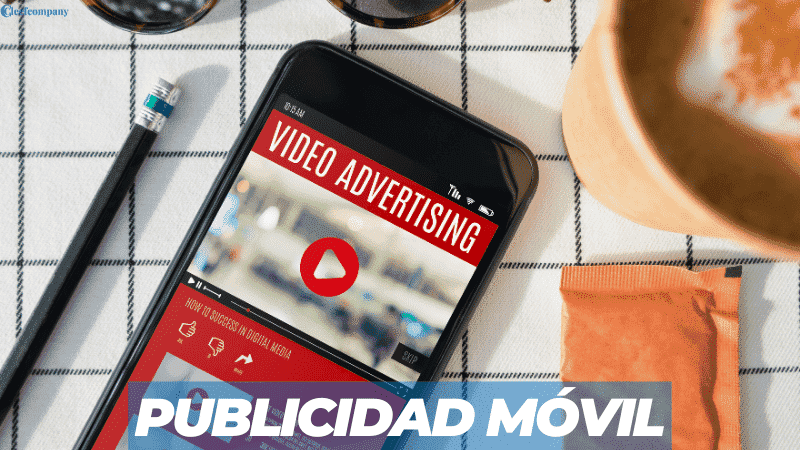
In today's digital age, where smartphones have become an extension of our lives, mobile advertising is emerging as a powerful tool to reach consumers wherever they are.
This form of advertising allows brands to connect with their audience effectively and in a personalized way while they browse apps, social media, and mobile websites.
At Cleefcompany, we have the ability to target ads exclusively to mobile users to achieve our clients' goals. If you want to reach your ideal customers via mobile, you can contact us so we can help you achieve your business objectives.
What is Mobile Advertising?
Mobile advertising refers to the promotion of products or services through mobile devices, such as smartphones and tablets, by means of advertisements in applications, mobile websites, or text messages.
The Impact of Mobile Advertising
- Broad Reach and Precise Segmentation: Mobile advertising allows you to reach a broad global audience while precisely targeting specific segments based on demographics, browsing behavior, and geographic location.
This precise targeting capability maximizes ad relevance and increases the likelihood of conversion.
- Creative and Attractive Formats: Mobile ads offer a variety of creative formats, including banners, videos, interactive ads, and immersive augmented reality experiences.
These attractive formats capture the user's attention and generate greater brand engagement.
- Ubiquity and Accessibility: Since mobile devices are always present and accessible anytime, anywhere, mobile advertising allows brands to connect with their audience in real time while on the go.
This offers unique opportunities to influence purchasing decisions at the right moment.
- Real-Time Measurement and Optimization: Mobile advertising platforms offer advanced analytics and tracking tools that allow marketing professionals to measure campaign performance in real time.
This facilitates the identification of trends, the optimization of strategy, and informed decision-making to maximize ROI.
- Multichannel Integration: Mobile advertising integrates easily with other digital marketing strategies, such as social media, email marketing, and content marketing.
This multichannel integration creates cohesive and consistent brand experiences across all consumer touchpoints.
Keep in mind that mobile advertising is an essential tool in the arsenal of any brand looking to reach and engage its audience in the digital age.
By leveraging the massive reach, precise targeting, and innovative creativity of mobile advertising, brands can drive business growth and stay relevant in an increasingly mobile world.
Display Ads

In today's digital landscape, display ads play a crucial role in companies' marketing strategies, offering a powerful visual impact to reach audiences effectively.
What are Display Ads?
Display ads are graphic, image, or multimedia ads that are shown on websites, mobile applications, or other online platforms to promote products, services, or brands.
Benefits of Display Ads
- Brand Visibility and Recognition: Display ads offer high visibility in digital environments, allowing brands to stand out and be recognized by their target audience.
These advertisements help create a lasting impression in the minds of consumers, thus strengthening brand perception.
- Advanced Segmentation: Digital advertising platforms offer advanced targeting options that allow brands to target specific audiences based on demographics, interests, browsing behavior, and geographic location.
This precise targeting ensures that ads are shown to the right people at the right time, increasing the relevance and effectiveness of the campaign.
- Creativity and Personalization: Display ads offer a creative canvas for brands, allowing for the customization of messages and creatives to suit different audiences and campaign objectives.
From eye-catching images to immersive videos, display ads offer flexibility to tell brand stories in an impactful and emotional way.
- Detailed Performance Metrics: Digital advertising platforms provide detailed metrics to measure the performance of display ads, including impressions, clicks, conversion rates, and return on investment (ROI).
This information allows marketing professionals to evaluate the effectiveness of their campaigns and make adjustments as needed to improve results.
- Complement to Multichannel Strategies: Display ads integrate easily with other digital marketing strategies, such as content marketing, social media, and email.
This multi-channel integration creates a coherent and consistent brand experience across all consumer touchpoints, thereby increasing the impact and effectiveness of the campaign.
Fraud Detection in Ads

In the field of digital advertising, fraud detection is an increasing concern for companies that invest in this medium.
What is Ad Fraud Detection?
Ad Fraud Detection is the process of identifying and preventing fraudulent activities in digital advertising campaigns, such as fake clicks or inflated impressions, in order to protect the integrity of advertising investment.
Fraud Detection Methods in Advertisements
- Pattern Analysis: Fraud detection systems use advanced algorithms to analyze online behavior and activity patterns.
This includes identifying anomalies in clicks, impressions, and conversions, which may indicate fraudulent activity.
- Traffic Verification: Fraud detection systems verify the quality of advertising traffic by evaluating factors such as geolocation, browsing history, and device authenticity.
This helps to identify and filter non-human traffic generated by bots and automated scripts.
- Real-Time Monitoring: Fraud detection is performed in real time, allowing fraudulent activities to be identified and blocked before they significantly impact the performance of the advertising campaign.
Continuous monitoring systems are essential for detecting and responding quickly to fraud threats.
- Collaboration and Data Sharing: Digital marketing professionals collaborate with advertising networks, exchanging information and fraud data to improve detection and prevention across the industry.
This collaboration helps identify fraud patterns and develop more effective strategies to combat it.
- Use of Security Tools: Companies use specialized advertising security tools and services to protect their campaigns against fraud.
These tools offer features such as traffic filtering, protection against fraudulent clicks, and identification of suspicious activity.
Importance of Fraud Detection in Advertisements
Detecting fraud in digital advertising is crucial to protecting the integrity of advertising campaigns and ensuring that businesses achieve a positive return on investment in their marketing efforts.
By identifying and mitigating fraud, companies can improve the accuracy of their data, optimize the performance of their campaigns, and protect their online reputation.
Influencer Marketing

Influencer marketing has become a powerful tool for brands seeking to connect with their audience in an authentic and effective way.
What is Influencer Marketing in digital advertising?
Influencer marketing is a marketing strategy that relies on collaborations with influential people on social media and other digital platforms to promote products, services, or brands to their audience.
Here are some effective strategies to get the most out of influencer marketing:
- Identifying Relevant Influencers: It is essential to select influencers whose content and values are aligned with those of your brand.
This ensures an authentic collaboration and increases the likelihood that the influencer's audience will respond positively to the promotion of their brand.
- Setting Clear Objectives: Before starting an influencer marketing campaign, it is important to define the specific objectives you hope to achieve, whether it is to increase brand awareness, boost sales, or improve brand perception.
- Creative Content Development: Work in collaboration with the influencer to create creative and authentic content that resonates with their audience.
The content should be relevant, entertaining, and genuine, avoiding overly commercial promotion.
- Performance Monitoring and Measurement: Use analytics tools to track campaign performance, including metrics such as reach, engagement, and conversions.
This allows for evaluating the effectiveness of the collaboration and making adjustments as needed.
- Fostering Long-Term Relationships: Instead of one-off collaborations, consider establishing long-term relationships with influencers who can become long-term brand advocates.
This helps build credibility and trust with the influencer's audience over time.
- Compliance with Regulations and Transparency: Ensure that all collaborations comply with relevant regulations and policies, such as proper disclosure of business relationships between the brand and the influencer.
Transparency is key to maintaining public trust.
Influencer marketing can be a powerful strategy for brands when executed effectively and authentically.
By collaborating with relevant influencers and developing creative content, brands can harness the power of influence to reach and engage their audience in a meaningful way.
Geolocation

Geolocation has transformed the way companies design their marketing strategies, allowing for greater personalization and relevance in communication with the audience.
What is Geolocation?
Geolocation is the technology that allows the determination of the geographic location of a device, such as a smartphone or computer, using GPS, Wi-Fi or mobile network signals, and is used in advertising to target specific messages to users in specific geographic locations.
Here are some effective ways businesses like yours can use geolocation to optimize their marketing strategies:
- Precise Market Segmentation: Geolocation allows companies to segment their target market based on the geographic location of users.
This allows for greater precision in delivering messages and offers tailored to local preferences and needs.
- Personalized Messages: By knowing the location of users, companies can personalize their messages to include relevant information about local events, weather conditions, or nearby points of interest.
This increases the relevance and resonance of the message with the audience.
- Geolocated Offers: Companies can leverage geolocation to offer targeted deals and promotions based on the user's location.
This may include discount coupons for nearby stores or special promotions for local events.
- Hyperlocal Advertising: Geolocation allows businesses to target users in specific locations, enabling them to create hyperlocal advertising campaigns.
This is especially useful for local businesses looking to attract customers in their area of influence.
- User Experience Optimization: By using geolocation, companies can improve the user experience by providing relevant and useful information based on their location.
This may include directions and opening hours of nearby stores or recommendations of popular products in the area.
- Geospatial Data Analysis: Geolocation also provides companies with valuable data on user behavior and preferences in different locations.
This allows for a better understanding of the market and the identification of growth opportunities.
Advertising Experiments

Advertising experiments represent an invaluable tool in the arsenal of any digital marketing strategist.
What are Advertising Experiments?
Advertising experiments are controlled and systematic tests carried out to evaluate the impact of different variables in an advertising campaign, such as ad design, target audience, or distribution channel, in order to optimize performance and maximize results.
Here we explore how advertising experiments are transforming the digital marketing landscape:
- Message Testing: Advertising experiments allow companies to test different advertising messages to determine which ones resonate best with their audience.
This may include variations in tone, writing style, and calls to action to identify which approach generates a more positive response.
- Evaluation of Creativity: Companies can conduct experiments to evaluate the performance of different advertising creatives, such as images, videos, and graphic designs.
This helps to identify which visual elements generate the most engagement and capture the viewer's attention.
- Audience Optimization: Advertising experiments also allow companies to test different audience segments to better understand how they respond to advertising messages.
This helps to refine the segmentation and personalization of campaigns to maximize their effectiveness.
- Platform and Format Testing: With the proliferation of advertising platforms and ad formats, experimentation is essential to determine which channels and formats are most effective in achieving campaign objectives.
This may include testing ads on social media, paid search, display, and more.
- Conversion Funnel Optimization: Advertising experiments can help identify bottlenecks in the conversion funnel and test different strategies to improve conversion rates.
From optimizing landing pages to testing different conversion incentives, these experiments can have a significant impact on a campaign's ROI.
- Continuous Learning: One of the most valuable aspects of advertising experiments is the continuous learning they provide. Every experiment, whether successful or not, offers valuable insights that can inform future strategies and help businesses remain agile and adaptable in a constantly evolving digital environment.
For your company, you should be clear that advertising experiments are a powerful tool to drive innovation and improve the performance of your digital marketing campaigns.
By constantly testing and learning, your company can stay ahead of market trends and ensure that its marketing strategies are effective and relevant at all times.
Optimizing Advertising Spend

Optimizing ad spend is crucial in the world of digital marketing, where every dollar counts.
What is Ad Spend Optimization?
Ad Spend Optimization is the process of efficiently adjusting and managing the budget allocated to digital advertising to maximize return on investment (ROI) and obtain the highest possible return on every dollar spent on advertising campaigns.
Here we explore some effective strategies for maximizing the return on advertising investment:
- Rigorous Monitoring and Analysis: The first step to optimizing ad spending is to have a clear understanding of where the money is being invested and what results it is generating.
Using tracking and analytics tools, companies can identify which campaigns are generating the best return on investment (ROI) and adjust accordingly.
- Focus on Key Metrics: Instead of focusing solely on superficial metrics like clicks or impressions, it's important to prioritize metrics that are directly aligned with business objectives, such as conversions, cost per acquisition (CPA), and return on ad spend (ROAS).
- A/B Testing and Continuous Optimization: A/B testing allows companies to compare different variables in their ads, such as copy, images, calls to action, or audience targeting, to determine which combinations generate the best results.
By conducting continuous testing and making data-driven adjustments, businesses can constantly improve the performance of their campaigns.
- Segmentation and Personalization: Properly segmenting the audience and personalizing advertising messages can significantly increase the effectiveness of campaigns.
By targeting specific audiences with relevant and timely messages, businesses can increase conversion rates and minimize wasted budget on users unlikely to convert.
- Optimization of Offers and Budgets: By using smart bidding strategies and budget adjustments, companies can maximize the efficiency of their advertising campaigns.
By allocating more budget to campaigns that generate better results and adjusting bids to maximize return on investment, you can optimize ad spending over time.
- Constant Monitoring and Readjustment: The digital environment is dynamic, so it is crucial to stay on top of changes in user behavior, market trends, and advertising platform algorithms.
By closely monitoring campaign performance and making real-time adjustments, businesses can quickly adapt to changes and maximize the value of every dollar spent on advertising.
Optimizing ad spend is an ongoing process that requires constant analysis, testing, and adjustments.
By adopting a strategic, data-driven approach, businesses can maximize the return on their advertising investments and effectively achieve their business goals.
Advertisement Placement
Ad placement plays a crucial role in the success of a digital advertising campaign.
What is Ad Placement?
Ad Placement refers to the strategic selection of locations or media where advertisements will be displayed, such as websites, mobile applications, social networks, or physical spaces, with the goal of reaching the target audience effectively and generating desired results.
Here, we explore how to optimize your ad placement to maximize its impact:
- Audience and Platform Research: Before starting an advertising campaign, it is essential to understand where your online audience spends time and which platforms they use most frequently.
This will help you select the most appropriate advertising platforms to reach your target audience.
- Analysis of Demographic Data and User Behavior: Use demographic and user behavior data to identify the websites, apps, or social media platforms where your target audience is most active.
This will allow you to place your ads more precisely.
- Content Contextualization: Make sure that the placement of your ads is aligned with the content of the website or application where they will appear.
Contextualized ads are more likely to resonate with the audience and generate clicks and positive interactions.
- Evaluation of Placement Options: Advertising platforms typically offer a variety of placement options, which may include ads on the home page, in the news feed, in videos, in mobile apps, among others.
For social media, we can consider these locations: Stories, News Feed, Sidebar, Direct Messages, Profile Pages, Search Results, Discovery Sections, Events, Groups, and Integrated Messaging Apps.
Carefully evaluate these options and select those that are most relevant to your advertising goals.
- A/B Testing and Continuous Optimization: Conduct A/B testing to compare different placement options and determine which ones produce the best results.
Then, optimize your campaigns based on these results, adjusting your ad placement to maximize performance.
- Monitoring and Analysis of Results: Regularly monitor the performance of your ads across different locations and platforms.
Use analytics tools to collect data on clicks, conversions, and other key metrics, and use this information to make informed decisions about your ad placement.
Strategic ad placement is essential to the success of any digital advertising campaign.
By understanding your audience, contextualizing content, evaluating placement options, conducting tests, and continuously optimizing, you can maximize the impact of your ads and effectively achieve your marketing goals.
Ad Auctions

The ad auctions They are a vital component in today's digital advertising world, offering exciting opportunities to reach specific audiences and maximize return on investment.
What are Ad Auctions?
Ad Auctions are automated processes in which available advertising spaces are put up for sale through a real-time bidding process, where advertisers compete to obtain the best placement at the best possible price for their ads.
Here, we analyze how you can get the most out of ad auctions:
- Smart Bidding Strategy: Before participating in an ad auction, it is crucial to develop a smart bidding strategy.
This involves setting clear budget limits and understanding the perceived value of the audience you are targeting.
- Audience and Competition ResearchConduct thorough research on your target audience and the competition in the market.
Understanding who your potential customers are and how they behave online will help you make more informed decisions during the auction.
- Precise Segmentation: Use the segmentation tools provided by the auction platform to target specific audiences.
The more precisely you can segment your audience, the greater your chances of success in the auction.
- Real-Time Monitoring: During the auction, keep a constant monitor of your bid performance and make adjustments as needed.
Some auction platforms offer the ability to adjust your bids in real time to optimize your results.
- Testing and Learning: Experiment with different bidding and targeting strategies to determine which approaches work best for your brand and goals.
The ad auction is an iterative process, and continuous learning will help you improve your results over time.
- Results Analysis: After each auction, analyze the results to identify areas for improvement and growth opportunities.
Pay attention to metrics such as cost per click (CPC), conversion rate, and return on investment (ROI) to evaluate the success of your efforts.
If you want to participate in ad auctions with your company, it can be a powerful strategy to reach your target audience and achieve your marketing goals.
By developing a smart bidding strategy, conducting thorough research, segmenting accurately, monitoring in real time, experimenting, and analyzing results, you can maximize your opportunities and get the most value from every ad auction.
Dynamic Ads
The dynamic ads They represent an innovative strategy in digital advertising, allowing companies to adapt their advertising content in real time to meet the specific needs and preferences of their audience.
What are Dynamic Ads in digital advertising?
Dynamic Ads are advertisements that are automatically generated and modified based on user behavior, geographic location, interests, or browsing context, in order to provide personalized and relevant content in real time.
Here's how to get the most out of this powerful tool:
- Contextual Personalization: Dynamic ads automatically adjust based on the user's context, displaying relevant content based on their online actions, interests, and behaviors.
This contextual personalization significantly increases the effectiveness of ads by ensuring they are highly relevant to each user.
- Precise Segmentation: It uses demographic data, browsing behavior, and other targeting criteria to target specific audiences with highly relevant dynamic ads.
The more precise your targeting, the more effective your ads will be.
- Flexible Creativity: Take advantage of the creative flexibility of dynamic ads to experiment with different formats, images, and messages.
Try various combinations to identify which elements generate the best response from your audience.
- Continuous Optimization: Monitor the performance of your dynamic ads in real time and make adjustments as needed to maximize their effectiveness.
Pay attention to metrics such as click-through rate (CTR), conversion rate, and return on investment (ROI) to evaluate the success of your campaigns.
- Multichannel Integration: Implement dynamic ads across a variety of channels, including websites, social media, and mobile apps, to reach your audience wherever they are.
Multichannel integration increases the visibility of your ads and amplifies their impact.
- Data Analysis: Use analytics tools to collect data on the performance of your dynamic ads and gain valuable insights into your audience's behavior.
Use these insights to continuously improve your campaigns and optimize your results.
Dynamic ads offer a powerful way to personalize and optimize your digital advertising in real time.
By leveraging contextual personalization, precise segmentation, flexible creativity, continuous optimization, multichannel integration, and data analytics, you can create highly effective advertising campaigns that connect with your audience and generate meaningful results.
Ad Conversion Rates

Ad conversion rates are critical metrics in the world of digital advertising, as they indicate the success of your efforts to convert visitors into customers.
What are Ad Conversion Rates?
Ad Conversion Rates are metrics that represent the percentage of users who take a desired action after interacting with an advertisement, such as clicking a link, completing a form, or making a purchase, in relation to the total number of impressions or clicks.
Here are some key strategies to maximize your ad conversion rates:
- Attractive Design: Create visually appealing ads that capture your audience's attention.
Use high-quality images, eye-catching colors, and a clean, clear design that highlights your key messages.
- Clear Calls to Action (CTAs): Include clear and compelling calls to action in your ads that motivate users to take specific actions, such as clicking a link, completing a form, or making a purchase.
Use action verbs and persuasive language to encourage participation.
- Irresistible Offers: Offer irresistible deals, exclusive discounts, or special promotions in your ads to encourage users to convert.
Make sure your offer is relevant to your audience and highlight its unique value.
- A/B testing: Run A/B tests to experiment with different elements of your ads, such as text, images, calls to action, and colors.
Analyze the results to identify which variations lead to higher conversion rates and optimize your ads accordingly.
- Precise Segmentation: Target your ads to specific audiences using precise targeting criteria, such as demographics, interests, and online behavior.
The more relevant your ad is to your audience, the higher the chances of it converting.
- Optimized Landing Pages: Make sure your ads lead to optimized and relevant landing pages that offer a smooth and consistent user experience.
The landing page should reflect the promise of the ad and provide clear and compelling information to drive conversion.
- Monitoring and Analysis: Constantly monitor the performance of your ads and analyze conversion rates to identify areas for improvement.
Use analytical tools to understand your audience's behavior and adjust your strategy accordingly.
By implementing these strategies, you can significantly increase your ad conversion rates and improve the performance of your digital advertising campaigns.
Remember that continuous optimization is key to achieving and maintaining success in the competitive world of online advertising.
Ad Blocker Bypass

Ad blockers are becoming increasingly common, making it crucial for businesses to find effective ways to overcome this obstacle and ensure their messages reach their target audience.
What is Ad Blocker Bypass?
Ad Blocker Bypass is a technique used to circumvent or overcome ad-blocking programs or extensions that users install on their web browsers, allowing ads to be displayed even when these blockers have been activated.
Here are some strategies for bypassing ad blockers:
- Sponsored Content: Consider using sponsored content instead of traditional ads.
Sponsored content blends more naturally into the online environment, making it less likely to be blocked by users.
- Brand Messages: Instead of relying solely on visual ads, focus on developing a strong brand presence and creating memorable messages that resonate with your audience.
Strong brand messaging can have a lasting impact even if visual ads are blocked.
- Native Advertising: Native advertising blends seamlessly with editorial content and is presented in a way that feels organic to the user.
Due to its non-intrusive nature, it is less likely to be blocked by users who use ad blockers.
- Influencers and Content Marketing: Collaborate with influencers and content creators to promote your brand in an authentic and engaging way.
User-generated content can be a powerful tool to reach your audience without being affected by ad blockers.
- Email Messages: Leverage email as an effective marketing channel to reach your audience.
Unlike online ads, email messages are not blocked by ad blockers and offer the opportunity to communicate directly with your subscribers.
- Segmentation Strategies: Use advanced targeting strategies to direct your messages only to users who do not use ad blockers.
This allows you to maximize the reach of your advertising campaigns and reach those who are most receptive to your messages.
- Continuous Experimentation: Maintain a trial-and-error approach and experiment with different approaches and strategies to overcome ad blockers.
Stay alert to emerging trends and adapt your strategy accordingly to maintain the effectiveness of your advertising campaigns.
By implementing these strategies, you can mitigate the effects of ad blockers and ensure that your messages reach your target audience effectively and without hindrance.
Remember the importance of creativity and adaptability in a constantly changing digital environment.
Ad Personalization

Ad personalization is a key strategy in the world of digital advertising, which seeks to create more meaningful and relevant connections with the audience.
What is Ad Personalization?
Ad Personalization is the adaptation of advertising messages to be more relevant and appealing to each individual user, using demographic, behavioral, or contextual data to deliver specific ads that match each person's needs and interests.
Here are some effective ways to implement ad personalization:
- Advanced Segmentation: Use demographic, behavioral, and contextual data to segment your audience into more specific groups.
This allows you to create ads that resonate with the particular interests and needs of each segment.
- Dynamic Content: Incorporate dynamic content into your ads to adapt them to each user in real time.
This may include images, text messages, or calls to action that change based on the user's profile or online behavior.
- Browsing History: It uses users' browsing history to personalize ads based on the web pages they have visited or the actions they have taken on your site.
This allows you to showcase relevant products or services that may interest them.
- Interests and Preferences: Analyze your users' interests and preferences through online behavior data, social media interactions, or other sources.
Use this information to personalize ads and deliver content that is relevant and engaging for each user.
- Contextual Messages: Take advantage of the context in which the user finds themselves when displaying ads.
For example, you can personalize ads based on local weather, current events, or the user's geographic location to increase their relevance and effectiveness.
- Intelligent Automation: Use smart automation tools to personalize ads efficiently and at scale.
These tools can analyze large volumes of data to identify patterns and trends that are then used to personalize advertising messages.
- Feedback and Optimization: Gather user feedback on the effectiveness of personalized ads and use this information to continuously optimize your personalization strategies.
Pay attention to key metrics, such as click-through rates and conversions, to evaluate the performance of your campaigns.
By implementing ad personalization strategies, you can create more relevant and engaging advertising experiences for your audience, which can lead to increased engagement, loyalty, and ultimately, conversions.
Always remember to respect user privacy and comply with data protection regulations when collecting and using personal information for ad personalization.
Ad Segmentation

Ad segmentation is a crucial technique in digital advertising that allows businesses to target specific audiences with relevant and personalized messages.
What is Ad Segmentation?
Ad Segmentation is the process of dividing the market into smaller, more homogeneous groups in order to direct specific advertising messages to audiences with similar characteristics, interests, or behaviors, thereby maximizing the relevance and effectiveness of advertising.
Here are some effective ad targeting strategies:
- Demographics: Divide your audience into groups based on demographic characteristics such as age, gender, location, education level, and marital status.
This segmentation allows you to tailor your messages to the specific characteristics of each demographic group.
- Psychographic: Group your audience based on their values, interests, lifestyle, and personality.
This segmentation focuses on understanding your audience's motivations and preferences, allowing you to create messages that resonate emotionally with them.
- Behavioral: Segment your audience based on their online behavior, such as their browsing habits, purchase history, social media interactions, and online searches.
This segmentation allows you to identify behavioral patterns that indicate purchase intentions or specific interests.
- Contextual: Target your ads based on the context in which users find themselves, such as the content of the web page they are visiting or the time of day.
This segmentation allows you to show relevant ads that align with users' immediate interests or needs.
- Device: Segment your audience based on the device they are using, such as desktop computers, mobile devices, or tablets.
This segmentation allows you to optimize your ads for different types of devices and adapt your advertising strategy to your audience's preferences.
- Location: Target your ads to users in specific geographic locations, whether locally, regionally, nationally, or internationally.
This segmentation is especially useful for companies with physical locations or those that want to promote products or services in specific geographic areas.
- Customized: It uses first-party data, such as lists of existing customers or website visitors, to create custom audience segments.
This segmentation allows you to reach users who already have some level of familiarity with your brand and adapt your messages accordingly.
By using these ad targeting strategies, you can maximize the relevance and effectiveness of your advertising campaigns, thereby increasing the likelihood of capturing your audience's attention and achieving your marketing goals.
Always remember to monitor and adjust your segmentation strategies as your audience's needs and preferences evolve.
Advertising Compliance

Advertising compliance is essential to ensure that companies follow ethical practices and adhere to current regulations in the field of digital advertising.
What is Advertising Compliance?
Advertising Compliance refers to monitoring and respecting the rules, regulations, and policies established by advertising platforms, government entities, and regulatory bodies to ensure that advertisements meet established ethical, legal, and quality standards.
Here are some important considerations regarding advertising compliance:
- Transparency: It is essential that companies be transparent about the nature of their advertisements and the identity of the advertiser.
They must clearly disclose when content is advertising and provide accurate information about the product or service being promoted.
- Legal Compliance: Companies must comply with all applicable laws and regulations, including those related to consumer protection, data privacy, and fair competition.
This includes respecting regulations such as GDPR in Europe or COPPA in the United States, among others.
- Truthfulness and Accuracy: Advertisements must be truthful and not misleading.
They must avoid making false or misleading claims about products or services, and provide accurate and verifiable information.
- Respect for the Audience: Advertisements must respect the dignity and rights of the audience, avoiding offensive, discriminatory or harmful content.
Furthermore, they must be appropriately targeted according to the age and profile of the audience.
- User Consent: Companies must obtain explicit consent from users before collecting, processing, or using their personal data for advertising purposes.
This is especially important in the case of targeted advertising and online behavior tracking.
- Privacy Protection: It is essential to protect user privacy and ensure that their rights are respected in relation to the use of personal data in digital advertising.
Companies must comply with best practices regarding the collection, storage, and use of data.
- Social Responsibility: Companies must assume social responsibility for their advertising activities, ensuring that they do not contribute to social or environmental problems and promoting ethical and responsible messages.
- Evaluation and Monitoring: It is important for companies to regularly evaluate their advertising practices and monitor compliance with regulations and ethical standards.
This includes conducting internal audits, responding to consumer complaints, and collaborating with regulatory bodies.
By adhering to these principles and practices, companies can build a strong reputation and earn the trust of their audience, which in turn can lead to longer-lasting and more successful customer relationships.
Advertising revenue

Advertising revenue is a fundamental part of monetizing websites, apps, and other digital media.
What is advertising revenue?
Advertising revenue is the income generated by a company through the sale of advertising space on its platforms, such as websites, mobile applications, social media, or other media, through direct advertising agreements, affiliate programs, or revenue sharing with advertising networks.
Here are some key strategies for maximizing advertising revenue:
- Diversification of Income Sources: Instead of relying exclusively on one type of advertising, such as display ads, consider diversifying your revenue streams.
This can include native advertising, content sponsorships, affiliate marketing, and direct advertising sales.
- Inventory OptimizationMake sure you maximize the performance of your advertising inventory.
This involves using ad management and revenue optimization tools to ensure that every impression is monetized to the fullest extent.
- Segmentation and PersonalizationUse segmentation and personalization to increase the value of your ads.
Target specific ads to specific audiences to increase relevance and engagement, which can lead to higher click-through rates and conversions.
- Constant Experimentation: Don't be afraid to experiment with different ad formats, page placements, and pricing strategies.
Conduct A/B testing and analyze the data to identify which approaches generate the best results in terms of revenue.
- User Experience Optimization: Make sure to balance revenue generation with user experience.
Intrusive or excessive ads can drive visitors away and negatively impact retention and loyalty.
Find a balance that allows you to generate revenue without compromising the user experience.
- Data Analysis and Metrics: Use analytics tools to track and analyze your advertising revenue.
Examine metrics such as RPM (revenue per thousand impressions), CTR (click-through rate), and eCPM (revenue per thousand effective impressions) to better understand your ad performance and make informed decisions.
- Tariff Negotiation: If you sell advertising space directly to advertisers, be sure to negotiate competitive rates that reflect the value of your audience and advertising inventory.
Consider offering customized packages that include multiple forms of advertising to increase appeal to advertisers.
- Market Trend Monitoring: Stay up to date on market trends and innovations in digital advertising.
This will allow you to adapt quickly to changes in consumer behavior and take advantage of new monetization opportunities.
By implementing these strategies effectively, you can increase your advertising revenue and create a solid and sustainable income stream for your online business.
Advertising Platform Integration

Integrating advertising platforms is essential to optimize the management of online advertising campaigns.
What is Ad Platform Integration?
Ad Platform Integration refers to the process of connecting and unifying different advertising management systems, tools, or platforms to facilitate the administration, optimization, and tracking of advertising campaigns across multiple channels and media.
Here are some key considerations for maximizing the benefits of this integration:
- Data Centralization: By integrating multiple advertising platforms, performance data is centralized in one place.
This allows for more efficient analysis and more informed, data-driven decision-making.
- Process Automation: Integrating advertising platforms makes it easier to automate processes such as ad scheduling, bid optimization, and report generation.
This saves time and resources, allowing for more efficient management of advertising campaigns.
- Audience Optimization: By combining data from multiple platforms, a more complete view of audience behavior can be obtained.
This facilitates the creation of segmented audiences and the personalization of advertising messages to maximize engagement and conversion.
- Consistency in Messaging: The integration of ad platforms enables consistent messaging across all channels and devices.
This ensures a consistent user experience and strengthens brand identity across all customer touchpoints.
- Improved Return on Investment: By optimizing the management of advertising campaigns and audience segmentation, the return on advertising investment is improved.
Integrating advertising platforms makes it easier to identify the most effective tactics and focus on those that generate the best results.
- Flexibility and ScalabilityAd integration platforms offer flexibility and scalability to adapt to the changing needs of your business.
You can add or remove platforms as needed and scale your advertising operations as your business grows.
- Efficient Budget Management: With a consolidated view of your advertising campaigns across all platforms, you can manage your advertising budget more efficiently.
This allows you to allocate resources to the areas that offer the best performance and maximize the impact of every dollar spent on advertising.
Ad Monitoring

Ad monitoring is crucial to ensuring the success of online advertising campaigns.
What is Ad Monitoring?
Ad Monitoring is the practice of monitoring and evaluating the performance and effectiveness of advertising campaigns in real time, by tracking key metrics such as impressions, clicks, conversions, reach, and return on investment (ROI), in order to make adjustments and improvements as needed.
Here are some key strategies for optimizing advertising performance through effective monitoring:
- Key Metrics Tracking: Identify and closely monitor key performance metrics, such as CTR (click-through rate), CPA (cost per acquisition), ROAS (return on advertising investment), and conversion rate.
These metrics will help you evaluate the performance of your ads and adjust your strategy as needed.
- Real-Time Data Analysis: Use real-time analytics tools to monitor the performance of your ads.
This allows you to make quick decisions and adjust your strategy on the fly to maximize the impact of your campaigns.
- Continuous A/B Testing: Run continuous A/B tests to evaluate different elements of your ads, such as text, images, design, and target audience.
Analyze the results of these tests and adjust your ads to improve their performance over time.
- ROI tracking: Evaluate the return on investment of your advertising campaigns to ensure you are getting the maximum value for your advertising spend.
If a particular ad set or platform isn't generating a positive ROI, consider adjusting or stopping the campaign.
- Automated Alerts: Set up automated alerts to receive notifications about significant changes in your ad performance, such as sharp drops in CTR or unexpected increases in CPA.
This allows you to quickly address any problems and minimize any negative impact on your campaigns.
- Competitive Analysis: Conduct a competitive analysis to understand how your ads compare to those of your competitors.
Identify opportunities to improve your own advertising strategies and stand out from the crowd.
- Audience Feedback: Pay attention to audience feedback in the form of comments, reactions, and actions in response to your ads.
Use this information to adjust your campaigns and improve the relevance and effectiveness of your advertising messages.
By implementing effective ad monitoring, you can optimize the performance of your advertising campaigns, maximize return on investment, and achieve your marketing goals more effectively.
Ad Segmentation Trends

In the dynamic world of digital advertising, ad targeting trends are constantly evolving.
What are Ad Segmentation Trends?
Ad Targeting Trends are the emerging patterns and changes in the way advertising is segmented and targeted to specific audiences.
Here we explore the latest trends that are shaping today's advertising landscape:
- Advanced Contextual Segmentation: With the advancement of artificial intelligence and natural language processing, advertising platforms can better understand the context of the content in which ads are displayed.
This allows for more precise segmentation based on the topic, tone, and intent of the content.
- Real-Time Behavioral Segmentation: Advertising platforms can now track user behavior in real time, enabling more dynamic and personalized targeting.
This means that advertisers can reach users at the exact moment they are most receptive to their message.
- Segmentation by Location Data: With the growth in the use of mobile devices, segmentation by location data has become increasingly important.
Businesses can reach users based on their geographic location in real time, allowing them to deliver relevant and timely messages.
- Segmentation by Interests and Hobbies: Social media platforms and other websites collect a large amount of data about users' interests and hobbies.
This information can be used to segment ads more effectively, reaching audiences that are more likely to be interested in the advertised products or services.
- Segmentation by Device and Platform: With the rise of multi-platform and mobile device usage, advertisers are increasingly segmenting their advertising campaigns based on the type of device and platform users are using.
This ensures that ads are viewed optimally on all devices and channels.
- Segmentation by Stage of the Consumer Journey: Advertisers are taking a more strategic approach by targeting ads at different stages of the consumer journey.
This means offering personalized messages that are tailored to the specific needs and concerns of users at each stage, from awareness to conversion.
- Segmentation Based on Predictive Demographics: Using machine learning and predictive analytics techniques, advertisers can segment audiences based on demographic attributes that have not yet manifested.
This allows you to reach users who share similar characteristics to existing customers, thus increasing the chances of conversion.
By staying on top of these ad targeting trends and adapting to them, advertisers can maximize the impact of their campaigns and reach the right audiences at the right time, thus driving the success of their advertising strategies.
Innovations in Advertising Technology

In a constantly changing advertising environment, the innovations in advertising technology They are reshaping the way companies interact with their audiences.
What are Innovations in Advertising Technology?
Innovations in Advertising Technology are the technological advances and developments that transform and improve the way advertising campaigns are planned, created, distributed, and analyzed.
These are some of the latest innovations that are shaping the future of digital advertising:
- Advanced Programmatic Advertising: Programmatic advertising has evolved with the introduction of advanced machine learning techniques and predictive analytics.
This allows for more precise optimization of advertising campaigns in real time, ensuring more effective delivery of the message to the right audience.
- Augmented Reality (AR) and Virtual Reality (VR): AR and VR are transforming advertising by offering immersive and highly interactive experiences.
Brands can create advertising campaigns that allow users to explore products and services in a completely new way, thereby increasing participation and engagement.
- Conversational Artificial Intelligence (AI)AI-powered chatbots are increasingly being used in advertising to offer personalized experiences and real-time assistance to consumers.
These chatbots can answer questions, provide product recommendations, and facilitate transactions, all without human intervention.
- Advertising without Cookies: With changes in privacy policies and increased concerns about data privacy, cookie-free advertising is gaining ground.
Companies are looking for new ways to segment and target their audience without relying on personally identifiable information, using contextual and behavioral data instead.
- Blockchain-based advertising: Blockchain technology is being explored as a way to increase transparency and trust in digital advertising.
By using smart contracts and immutable records, brands can ensure greater visibility in the media buying process and combat advertising fraud.
- Interactive Advertising and Gamification: Interactive and gamified advertising campaigns are capturing users' attention by offering fun and immersive experiences.
This can include online games, social challenges, and augmented reality experiences that allow users to interact directly with the brand.
- Voice-based advertisingWith the proliferation of voice-enabled devices, voice-based advertising is on the rise.
Brands are developing advertising strategies that adapt to the voice format, offering ads that respond to voice queries and provide useful information to users.
These innovations are paving the way for a new era of digital advertising, where personalization, interactivity, and transparency are fundamental.
By adopting these emerging technologies, brands can stay ahead of the curve and deliver advertising experiences that captivate their audiences in an increasingly digital world.
Copywriting

Copywriting is an art that combines creativity, persuasion, and precision to convey effective messages in the digital world.
What is Ad Copywriting?
Copywriting refers to the process of writing the text or verbal content used in advertisements to communicate a persuasive and engaging message to the target audience.
Here are some key guidelines for creating ad copy that captures attention and drives action:
- Know Your AudienceBefore writing any advertisement, it is crucial to understand who you are targeting.
Research your audience thoroughly to understand their needs, desires, and challenges.
This will allow you to tailor your message to resonate with them more effectively.
- Highlight the Benefits: Instead of focusing solely on the features of your product or service, highlight the benefits it offers to your customers.
How can you improve their lives? What problems does it solve? Focus on what matters most to them and how your offer can make a difference to them.
- Create a Unique Selling Proposition (USP)): Identify what makes your product or service unique and different from the competition.
Your USP should be clear, relevant, and compelling, and it should stand out in your ad copy to capture your audience's attention.
- Use Persuasive Language: Use words and phrases that generate emotion, urgency, and action.
Use powerful verbs and clear, direct calls to action that invite your audience to take immediate action, such as "Buy now," "Sign up today," or "Learn more.".
- Keep it concise and clearIn the digital environment, where attention is limited, it is important to be concise and direct.
Keep your messages short and to the point, eliminating any unnecessary filler. Use bullet points, key points, and eye-catching headlines to make them easy to read and understand.
- Try and Learn: Don't settle for just one version of your ad copy.
Conduct A/B testing to test different approaches, headlines, calls to action, and writing styles.
Analyze the results and use those insights to continually refine and improve your copywriting strategy.
- Stay Relevant and Up-to-Date: Digital advertising is a constantly evolving field, so it's important to keep up with emerging trends and adapt your approach accordingly.
Keep your ad copy fresh, relevant, and up-to-date to continue capturing your audience's attention.
By following these guidelines and basic principles, you can create ad copy that stands out in the competitive digital landscape and generates meaningful results for your business.
Ad Attribution

In the complex ecosystem of digital advertising, ad attribution plays a fundamental role in helping companies understand how and where consumers interact with their ads.
What is Ad Attribution?
Ad Attribution is the process of assigning credit or value to different advertising interactions that contribute to the desired conversion or action by the user.
Here's an overview of ad attribution and its importance:
- Definition of Ad Attribution: Ad attribution refers to the process of assigning credit or value to each touchpoint in the customer journey that led to a desired conversion or action.
This includes identifying which ads, channels, or devices contributed to that conversion.
- Attribution Models: There are various attribution models that companies can use to assign credit to different touchpoints in the customer journey.
Some of the common models include last click, linear attribution, position-based attribution, and time-based attribution.
- Importance of Ad Attribution: Ad attribution is crucial because it provides valuable information about which advertising strategies are most effective at generating conversions and how to optimally allocate the advertising budget.
It allows companies to better understand the ROI of their campaigns and optimize their marketing strategies accordingly.
- Data Monitoring and Analysis: To perform effective ad attribution, it is necessary to implement a robust tracking system that collects data on user interactions with ads across multiple touchpoints.
This may include the use of cookies, tracking pixels, one-time tracking links, and other analytics tools.
- Advertising Strategy Optimization: By understanding which channels, messages, and tactics are generating results, companies can optimize their advertising strategy to focus on the most effective areas and eliminate or adjust those that are not working as well.
This can lead to more efficient budget allocation and better overall results.
- Continuous Evolution: Given that consumer behavior and the advertising landscape are constantly changing, ad attribution is an ongoing and evolving process.
Companies must be prepared to adapt and adjust their attribution approaches as new technologies and trends emerge.
Ad attribution is essential to understanding the impact and effectiveness of advertising strategies in the digital world.
By using robust attribution models and analyzing accurate data, companies can make informed decisions that drive the success of their advertising campaigns and maximize return on investment.
Artificial Intelligence in Advertising

In today's digital advertising landscape, artificial intelligence (AI) is emerging as a powerful tool that transforms how businesses connect with their audience and optimize their advertising campaigns.
What is Artificial Intelligence in Advertising?
The Artificial Intelligence in Advertising It refers to the application of artificial intelligence techniques, such as machine learning and natural language processing, to optimize and automate advertising processes, such as audience segmentation, content creation, and campaign optimization.
Here's an overview of how AI is revolutionizing advertising:
- Process AutomationAI or Artificial Intelligence allows the automation of repetitive and tedious tasks in the creation and management of advertising campaigns.
From audience selection to content optimization, AI can perform these tasks efficiently and without human intervention, freeing up time for creativity and strategy.
- Advanced Customization: Thanks to AI algorithms, companies can create highly personalized and relevant advertising messages for each user.
By analyzing large amounts of consumer behavior data, AI can identify individual patterns and preferences, enabling more precise targeting and a more engaging advertising experience.
- Real-Time Optimization: AI can analyze real-time data on campaign performance and make instant adjustments to maximize return on investment (ROI).
This includes optimizing the advertising budget, selecting the most effective channels, and modifying content to adapt to market trends.
- Prediction of ResultsUsing machine learning techniques, AI can predict the future performance of advertising campaigns with a high degree of accuracy.
This allows companies to make informed decisions about where and how to invest their advertising resources to achieve the best results.
- Advanced Data Analysis: AI can analyze large volumes of data quickly and efficiently, identifying insights and patterns that might go unnoticed by humans.
This gives companies a deeper understanding of consumer behavior and market trends, allowing them to adjust their strategies more effectively.
- Innovative Advertising ExperiencesAI is giving rise to new forms of interactive and experiential advertising, such as intelligent chatbots, augmented reality, and conversational advertising.
These immersive experiences help brands stand out in a saturated market and engage consumers in a more meaningful way.
What you should keep in mind if you have a business: artificial intelligence is transforming the advertising landscape by offering advanced automation, personalization, and data analysis capabilities.
By adopting AI in their marketing strategies, companies can improve the efficiency, effectiveness, and relevance of their advertising campaigns, enabling them to achieve their business goals more effectively in the ever-evolving digital world.
Ready to boost your Digital Advertising strategy?
Contact us today for a free consultation and discover how we can take your digital advertising campaigns to the next level!
Stop wasting resources on advertising strategies that don't work.
Join Cleefcompany and start getting real results.
 Spanish
 English
 French