

In this blog post, we promise you an exciting journey into the heart of ad analytics, where you'll discover powerful strategies to optimize your digital marketing strategy.
You'll learn how to unlock the true potential of your ads and take your marketing to the next level.
Get ready to explore how data can reveal strategic secrets to boost your digital campaigns and achieve your goals more effectively.
Are you ready to transform your marketing approach with ad analytics?
What is Ad Analytics?
Ad analytics is the process of collecting, evaluating, and interpreting data related to the performance of your advertising campaigns.
It involves examining key metrics to understand how your ads are resonating with your audience and how they can be improved to achieve better results.
Advantages and Challenges of Ad Analytics
Advantages of Ad Analytics:
1. Campaign Optimization: It allows you to identify which aspects of your ads are working well and which need improvement, enabling you to optimize your campaigns for better results.
2. Data-Driven Decision Making: It provides insights based on data rather than assumptions, helping you make more informed and effective decisions in your advertising strategy.
3. Measurable Performance: It allows you to measure the actual performance of your ads, including metrics such as click rates, conversions, and return on investment (ROI), helping you evaluate the success of your campaigns.
4. Customization: It makes it easy to personalize your ads based on your audience's behavior and preferences, increasing the relevance and effectiveness of your advertising messages.
Ad Analytics Challenges:
1. Data Complexity: Ad analytics can involve large volumes of data, which can be overwhelming and difficult to interpret without the right tools and skills.
2. Precise Interpretation: It requires skills to correctly interpret data and extract meaningful insights, which can be challenging without the appropriate experience or knowledge.
What will you learn in this article about ad analytics?
1. Key Metrics for Ad Analysis: We'll explore the most important metrics you should monitor to evaluate the performance of your ads.
2. Analysis Tools and Platforms: We'll introduce you to some popular tools and platforms you can use to effectively analyze your ads.
3. Best Practices for Optimize Ads: We'll share some best practices and tips for optimizing your ads based on the insights gained from the analysis.
4. Advanced Analysis Strategies: We'll discuss some advanced strategies you can implement to take your ad analytics to the next level and achieve even better results.
Key Metrics for Ad Analytics
Some key metrics to consider when analyzing your ads include:
1. Click-Through Rate (CTR):
The proportion of people who click on your ad in relation to the total number of people who see it.
A high CTR indicates that your ad is relevant and engaging for your audience.
A low CTR indicates that your ad is not relevant and appealing to your ideal customers.
2. Cost Per Click (CPC):
The average cost you pay each time someone clicks on your ad.
Monitoring your CPC helps you optimize your advertising budget and maximize the value of your clicks.
3. Conversion:
The number of users who take a desired action after interacting with your ad, such as making a purchase or completing a form.
He conversion tracking It allows you to evaluate the actual performance of your ads in terms of business results.
4. Return on Investment (ROI):
The relationship between the profit generated by your ads and the cost of running them.
Calculating your ROI helps you determine if your advertising campaigns are profitable and justify your advertising investment.
Analysis Tools and Platforms
Some popular tools and platforms you can use to perform effective analysis of your ads include:
1. Google Analytics:
It offers a wide range of analytics features to track the performance of your ads, including traffic metrics, conversions, and user behavior.
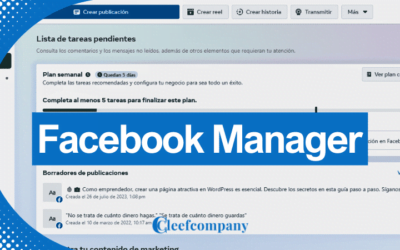
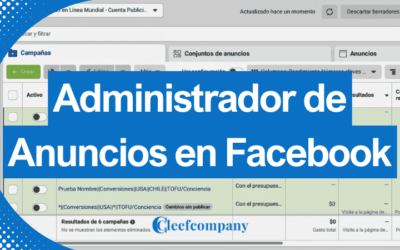
2. Facebook Ads Manager:
It provides integrated tools to analyze the performance of your ads on Facebook and Instagram, including performance metrics, audience targeting, and campaign optimization.
3. Google Ads:
It allows you to track the performance of your search, display, and video ads in detail, including metrics on clicks, conversions, and costs.
4. Hootsuite:
It offers social analytics tools to monitor the performance of your social media ads such as Twitter, LinkedIn, and YouTube, including engagement, reach, and conversion metrics.
Best Practices for Optimizing Ads
Some best practices and tips for optimizing your ads include:
1. Constant Testing and Learning:
Run A/B tests to try different variations of your ads and determine which elements work best with your audience.
2. Precise Segmentation:
Use advanced targeting to direct your ads to specific audiences that are more likely to convert.
3. Relevant Personalization:
Personalize your ads based on your audience's interests and behaviors to increase their relevance and effectiveness.
4. Continuous Optimization:
Regularly monitor the performance of your ads and make adjustments as needed to improve their effectiveness over time.
Advanced Analysis Strategies
Some advanced strategies you can implement to take your ad analytics to the next level include:
1. Predictive Analytics:
Use predictive analytics techniques to anticipate the future performance of your ads and make proactive decisions to optimize your strategy.
2. Attribution Modeling:
Implement advanced attribution models to correctly assign the value of your conversions to different advertising touchpoints in the customer journey.
3. Sentiment Analysis:
Incorporate sentiment analysis to evaluate your audience's emotional response to your ads and adjust your strategy accordingly.
4. Cohort Analysis:
Conduct cohort analysis to better understand how your users' behavior evolves over time and how you can adapt your retention and loyalty strategies.
Conclusion
Ad analytics is a powerful tool that provides you with valuable insights to optimize your advertising campaigns and achieve your marketing goals.
By focusing on key metrics, using the right tools, and following best practices, you can maximize the performance of your ads and achieve outstanding results in your digital marketing strategy.
Are you ready to unlock the potential of your ads through data analysis?
Start today and take your marketing strategy to the next level!
If you have any further questions about how to get the most out of ad analytics, don't hesitate to contact us!
We are here to help you achieve success in your marketing strategy digital.
Frequently Asked Questions about Ad Analytics
What is ad analytics and why is it important for my marketing strategy?
He ad analytics It is the process of collecting and evaluating data related to the performance of your advertising campaigns.
It's important because it allows you to understand which ads are performing best, what aspects need improvement, and how you can optimize your advertising investment for better results.

What are the key metrics I should monitor when analyzing my ads?
Some key metrics include click-through rate (CTR), cost per click (CPC), conversion rate, return on investment (ROI), and ad frequency.
What tools can I use to perform an effective analysis of my ads?
Some popular tools include Google Analytics, Facebook Ads Manager, Google Ads and Hootsuite, among others.
These platforms offer advanced analytics features that allow you to track and evaluate the performance of your ads.
How can I optimize my ads based on the insights gained from the analysis?
You can optimize your ads by running A/B tests, precisely targeting your audience, personalizing your messages, and regularly monitoring your ad performance to make adjustments as needed.
What is the difference between predictive analytics and retrospective ad analytics?
Retrospective analytics evaluates historical data to understand the past performance of your ads, while predictive analytics uses statistical models to predict future performance and make proactive decisions.
What are some advanced strategies I can implement to improve my ad analytics?
Some advanced strategies include cohort analysis, attribution modeling, sentiment analysis, and the use of predictive analytics techniques to anticipate the future performance of your ads.
How can I calculate the return on investment (ROI) of my advertising campaigns?
To calculate ROI, simply divide the profit generated by your ads by the total cost of running them.
Then, multiply the result by 100 to get the ROI as a percentage.
What should I do if my ads aren't generating the desired results according to my analysis?
If your ads aren't performing as expected, you can make adjustments to your strategy, such as changing your message, adjusting your audience targeting, or testing different types of ads to see what works best.
How can I use ad analytics to improve the personalization of my advertising messages?
You can use ad analytics to better understand your audience's preferences and behaviors and personalize your advertising messages based on these insights.
This can increase the relevance and effectiveness of your ads.
What role does ad analytics play in strategic decision-making for my business?
Ad analytics provides you with key insights that help you make informed strategic decisions about how to allocate your advertising budget, which messages and creatives are most effective, and how you can continuously improve your advertising campaigns for better results.








 Spanish
 English
 French
0 Comments