
Have you ever wondered how some brands manage to recapture your attention, just when you thought you'd forgotten about their product?
How is it that you're seeing those ads again that seemed to have vanished?
The answer lies in a powerful strategy called retargeting.
If you're ready to discover how you can leverage this technique to revitalize your advertising campaigns and attract your visitors back, keep reading.
I'll guide you through the essential steps to implement an effective retargeting strategy, from initial setup to campaign optimization, so you can transform fleeting interest into real conversions.
Ready to discover the secret behind successful retargeting? Let's get to it!
What is Retargeting?
Retargeting is a digital advertising strategy that focuses on recapturing the attention of users who have previously interacted with your website or application but have not completed a conversion.
It uses cookies to track user behavior and display targeted ads based on their previous visits.
Here I explain its features in detail:
Definition of Retargeting
Retargeting, also known as remarketing, is based on tracking technology to show ads to users who have already shown interest in your products or services.
– How it Works: When a user visits your website, A cookie is placed in their browser. Then, when that user browses other websites, your company's ads may appear, reminding them of the product or service they viewed earlier.
– Main Objective: The main objective of retargeting is to bring users back to your website to complete a desired action, such as a purchase or a subscription.
Advantages and Disadvantages of Retargeting
To assess whether retargeting is right for your marketing strategy, it's essential to consider both its advantages and disadvantages. Here's an explanation of each aspect:
1. Advantages of Retargeting
Retargeting offers several advantages that can significantly improve the effectiveness of your advertising campaigns:
– Increased Conversion: By targeting users who have already shown interest, retargeting ads have a higher probability of converting them into customers.
– Brand Reinforcement: Keeps your brand top of mind for users by showing them relevant ads even after they leave your website.
– Personalization: Retargeting ads can be highly personalized based on the user's previous behavior on your website.
– Cost Optimization: By targeting a specific audience that is already familiar with your brand, retargeting can be more cost-effective than other forms of advertising.
2. Disadvantages of Retargeting
Although retargeting has many advantages, it also has some disadvantages that should be considered:
– Possible User Fatigue: Too many repeated ads can lead to user fatigue and have the opposite effect to that desired.
– Privacy Concerns: Some users may feel uncomfortable with the idea of being “tracked” online and may consider this an intrusion into their privacy.

Discover How Our Agency Can Boost Your Online Sales
Digital Advertising – Attract your target audience with effective advertising strategies.
Content Marketing – We create impactful content that captures attention and generates sales.
Conversion Optimization – Maximize your ROI with campaigns designed to convert.
Discover How Our Agency Can Boost Your Online Sales
Digital Advertising – Attract your target audience with effective advertising strategies.
Content Marketing – We create impactful content that captures attention and generates sales.
Conversion Optimization – Maximize your ROI with campaigns designed to convert.
Differences between Retargeting and Remarketing
Although often used interchangeably, retargeting and remarketing have subtle differences:
1. Definition of Retargeting vs. Remarketing
– Retargeting: This generally refers to advertising on websites and digital platforms that uses cookies to show ads to users who have visited your website.
– Remarketing: Although similar, remarketing often refers to email advertising strategies that target users who have previously interacted with your company.
2. Application Areas
– Retargeting: It focuses on advertising on the web and in social networks.
– Remarketing: Primarily applies to email campaigns and contact lists.
With this detailed understanding of what retargeting is, its advantages, disadvantages, and the differences with remarketing, you can make more informed decisions about how to integrate these strategies into your digital marketing campaigns.
The Importance of Retargeting in Digital Marketing
To understand the importance of retargeting in digital marketing and how it can benefit your advertising campaigns, it is essential to consider relevant statistics and the key benefits that this strategy offers.
Retargeting has become a crucial tool in the digital marketing arsenal. Here's a detailed explanation of why it's so important:
1. Statistics and Relevant Data
Statistics reflect the significant impact of retargeting on the performance of advertising campaigns:
– Increased Conversion Rate: According to studies, retargeting can increase conversion rates by 50% compared to ads targeted at audiences that have not previously interacted with the brand.
– Improved Brand Recognition: Retargeting ads have a click-through rate (CTR) up to 10 times higher than standard ads, indicating greater effectiveness in keeping the brand top of mind for consumers.
– Cost-effectiveness: Retargeting can be up to 30% cheaper than other forms of advertising in terms of cost per acquisition (CPA), as it focuses on users who have already shown interest.
2. Key Benefits of Retargeting
Retargeting offers several key benefits that can improve the effectiveness of your digital marketing campaigns:
– Precise Segmentation:
Retargeting allows for very precise segmentation by targeting users who have already visited your website.
This ensures that your ads reach people who have previously shown interest, increasing the chances of conversion.
– Continuous Brand Reinforcement:
By showing repeated ads to users who have already interacted with your brand, retargeting helps keep your brand top of mind for consumers, reinforcing brand recognition and familiarity.
This is crucial for building a strong and trustworthy brand.
Retargeting ads can be customized based on user behavior on your website, such as pages visited or products viewed.
This personalization increases the relevance of the ads, making them more appealing to users.
– Increased Customer Lifetime Value:
By recovering users who did not complete an initial conversion, retargeting can increase customer lifetime value (CLV) by encouraging repeat purchases and long-term engagement.
– Optimization of the Advertising Budget:
Retargeting allows for a more efficient use of the advertising budget by focusing on users who have already shown interest, reducing spending on advertising aimed at cold or uninterested audiences.
– Greater Control and Flexibility:
You can adjust your retargeting campaigns in real time, optimizing ads and audiences based on performance data.
This allows for more flexible and effective management of your advertising campaigns.
With this detailed understanding of the importance of retargeting, the statistics that support it, and the key benefits it offers, you can appreciate how this strategy can be a powerful tool in your digital marketing.
Would you like to explore how to implement retargeting in your current strategy, or do you need more information on a specific aspect?
Types of Retargeting

To understand how to effectively use different types of retargeting in your advertising campaigns, it is important to know the specific approaches and strategies associated with each one.
Here I explain in detail the most common types of retargeting and their key characteristics:
1. Website Retargeting
Website retargeting is a fundamental strategy for attracting visitors who have interacted with your site but haven't converted. Here's how it works and some effective strategies:
How it Works:
Website retargeting uses cookies to follow visitors after they have left your website.
Once a user visits your site, a cookie is placed in their browser. Then, ads targeted to that user are displayed on other websites they visit, reminding them of your brand.
Effective Strategies for Website Retargeting:
- Segment Your Audiences:
It divides visitors according to their behavior on the site, such as pages visited or time spent.
This allows you to show more relevant and personalized ads.
- Create Custom Ads:
Design specific ads for each audience segment.
For example, it shows ads for products that the user has viewed but not purchased.
- Optimize the Frequency:
Adjust the frequency with which ads are displayed to avoid user fatigue.
Too many ads can be annoying, while too few can be ineffective.
2. Email Retargeting
Email retargeting involves sending targeted emails to users who have previously interacted with your messages. Here's an explanation of the concept and best practices:
Concept and Functioning:
Email retargeting involves sending personalized messages to users who have opened your emails but haven't taken the desired action, such as making a purchase.
It uses user behavior data to send relevant and timely emails.
Best Practices for Email Retargeting:
- Personalize the Content:
It uses user information, such as purchase history or pages visited, to personalize email content.
Personalized emails tend to have higher open and click-through rates.
- Includes Clear Calls to Action:
Make sure that each email includes a clear and compelling call to action (CTA).
This makes it easier for users to perform the desired action.
- Optimize Sending Frequency:
Find a balance in the frequency of your emails.
Too many emails can be perceived as spam, while too few may not be enough to capture the user's attention.
3. Retargeting on Social Networks
Social media retargeting is used to re-engage users on social platforms. Here I explain the most commonly used platforms and provide examples of successful campaigns:
Most Used Platforms:
- Facebook:
Use Facebook Ads to show ads to users who have visited your website or interacted with your content on Facebook.
Facebook offers advanced targeting options for retargeting.
- Instagram:
As part of the Facebook ecosystem, Instagram allows the same targeting for retargeting.
Ads can appear in the feed, stories, or the Explore section.
- Twitter:
Twitter allows you to show ads to users who have interacted with your profile or your content.
You can use lists of followers and competitor followers to segment your retargeting.
Examples of Successful Campaigns:
- Abandoned Shopping Cart Campaigns:
E-commerce brands use retargeting on social media to remind users about products they left in their shopping carts.
This increases the conversion rate of abandoned shopping carts.
- Special Offers and Promotions:
Companies use retargeting to show special offers or promotions to users who have visited their site but have not made a purchase.
This encourages purchase with an attractive offer.
4. Dynamic Retargeting
Dynamic retargeting takes personalization a step further by adapting ads in real time based on user behavior. Here's what it is and its advantages:
Definition and Functioning:
Dynamic retargeting displays personalized ads that are automatically updated based on the products or services the user has viewed on your website.
For example, if a user has viewed several shirts in your online store, they will see specific ads featuring those shirts on other websites or social media.
Advantages of Dynamic Retargeting:
- Highly Customized:
The dynamic ads They adapt to the user's recent behavior, increasing relevance and the likelihood of conversion.
- Improve the User Experience:
Users receive ads for products that genuinely interest them, improving their experience and satisfaction.
- ROI Optimization:
By displaying highly relevant ads, return on investment (ROI) is improved by reducing wasted impressions and clicks.
- Efficient Automation:
The real-time ad update process is automated, saving time and effort. campaign management.
With this detailed explanation of the types of retargeting, you will be able to implement more effective and targeted strategies in your digital marketing campaigns.
Would you like to learn more about a specific type of retargeting, or do you need help with implementation?
Are you using Facebook Ads or Google Ads?
Try 30 Days of Free Digital Advertising!
Stop losing money and discover the true potential of your digital advertising.
- Discover the power of targeted advertising.
- Reach your ideal audience.
- Maximize the efficiency of your advertising investment.
Free Digital Advertising for 30 Days
Are you using Facebook Ads or Google Ads?
Try 30 Days of Free Digital Advertising!
Stop losing money and discover the true potential of your digital advertising.
- Discover the power of targeted advertising.
- Reach your ideal audience.
- Maximize the efficiency of your advertising investment.
Free Digital Advertising for 30 Days
Effective Strategies and Techniques
To implement effective retargeting strategies and maximize the performance of your advertising campaigns, it's essential to use specific tactics and the right tools. Here's a detailed explanation of some key strategies and techniques:
Audience Segmentation
Audience segmentation is crucial for targeting your advertising campaigns to the most relevant user groups. Here's how to segment your audience to maximize results and what tools can help you:
How to Segment Your Audience to Maximize Results:
- Define Behavior-Based Segments:
Identify and classify users based on their behavior on your website, such as pages visited, products viewed, or time spent on the site.
This allows you to create more precise and targeted audiences.
- Use Demographic and Psychographic Data:
It includes criteria such as age, gender, location, interests, and behaviors.
Combining demographic and psychographic data helps you further refine your segmentation.
- Segment by Interaction Level:
Create different segments based on the level of interaction, such as new users, returning users, and frequent customers.
This allows messages and offers to be tailored to the user's engagement.
Segmentation Tools and Software:
- Google Analytics:
It offers detailed insights into user behavior and allows you to create custom segments.
You can analyze data such as user flow and conversions to improve segmentation.
- Facebook Ads Manager:
It allows you to create custom and lookalike audiences based on specific behaviors and characteristics.
Use your page data and site visitors to tailor your campaigns.
- HubSpot:
It offers advanced tools for audience segmentation and marketing automation.
You can create segments based on previous interactions and lead behavior.
Creating Custom Ads
Personalizing ads increases the relevance and effectiveness of your campaigns. Here's why personalization is so important, along with some examples of effective ads:
Importance of Personalization:
- Increase Ad Relevance:
Personalized ads are tailored to the user's interests and behaviors, increasing click-through rates and conversions.
A relevant advertisement is more attractive and persuasive.
- Improve the User Experience:
Personalization shows users content that truly interests them, improving their experience and satisfaction.
This can lead to greater customer loyalty.
Examples of Effective Ads:
- Advertisements for Viewed Products:
It shows ads for products that the user has viewed but not purchased.
Example: A user who has viewed several cameras on your website sees ads for those same cameras on other pages they visit.
- Special Offers Based on Purchase History:
It offers discounts or promotions on complementary products to those that the user has already purchased.
Example: If a user bought a phone, you can show them ads for accessories for that phone.
Ad Frequency Optimization
It is important to balance the frequency with which ads are displayed to avoid overdoing it and maintain effectiveness.
Here I explain how to avoid excessive advertising and techniques to find the right balance:
Avoid Excessive Advertising:
- Set Frequency Limits:
Set frequency limits to ensure users don't see your ads too often.
This prevents user fatigue and keeps the advertisement from losing its effectiveness.
- Monitor User Response:
Analyze engagement and conversion metrics to detect signs of user fatigue.
Adjust the frequency of your ads based on this data.
Techniques for Finding the Right Balance:
- Perform Tests and Adjustments:
Run tests to find the optimal frequency that maximizes effectiveness without causing discomfort.
You can experiment with different frequencies and measure the results.
- Segment and Personalize Ads:
Show different ads to different segments of your audience to maintain interest.
Personalization can help maintain the relevance and freshness of content.
A/B Testing in Retargeting
A/B testing is an essential technique for optimizing the performance of your retargeting campaigns. Here I explain what A/B testing is, why it's important, and how to conduct effective tests:
What is A/B Testing and Why is it Important?
- Definition of A/B Testing:
A/B testing, also known as A/B testing, involves comparing two versions of an advertisement (A and B) to determine which one performs better.
It is based on controlled changes to measure the impact on key metrics.
- Importance of A/B Testing:
It allows you to make decisions based on data rather than assumptions.
It helps optimize ads to improve click-through rate, conversions, and return on investment.
How to Conduct Effective A/B Testing:
- Define Clear Objectives:
Determine which metrics you want to improve, such as click-through rate or conversion rate.
Clearly define the objectives before starting the tests.
- Test One Item at a Time:
To get accurate results, only modify one element of the ad (such as the text, image, or call to action) in each test.
This ensures that any difference in performance can be attributed to the change made.
- Analyze the Results:
Review the test data to identify which version of the ad performed best.
Use these insights to adjust and improve future campaigns.
By applying these strategies and techniques, you can optimize your retargeting campaigns and achieve better results in your advertising efforts.
Do you need additional help with any of these techniques or would you like to delve deeper into a specific aspect?
Retargeting Tools and Platforms
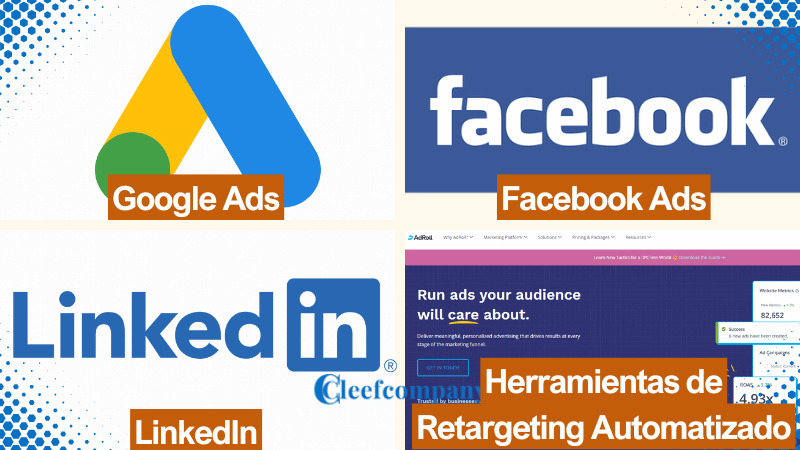
To get the most out of retargeting tools and platforms and improve the effectiveness of your advertising campaigns, it's essential to understand how to configure and use each one optimally. Here's a detailed explanation of how to do it:
Google Ads
Google Ads It's a powerful platform for running retargeting campaigns. Here's how to set it up and the best practices to follow:
Configuration and Best Practices:
- Configure Conversion Tracking:
Implement the Google Ads tracking code on your website to collect data about user interactions.
This will allow you to create audiences based on specific actions, such as page visits or purchases.
- Create Custom Audiences:
Use behavioral data to create custom audiences that align with your advertising goals.
You can segment by pages visited, time on site, and other relevant metrics.
- Optimize the Offer and the Budget:
Adjust bids and budget based on campaign performance.
Make sure to allocate more budget to audiences that show a higher probability of conversion.
Case Studies:
- E-commerce Success Story:
An online store used retargeting in Google Ads to attract visitors who abandoned their shopping carts.
They implemented targeted ads for abandoned products and achieved a 30% increase in conversions.
- Lead Generation Success Story:
A service company used retargeting to capture leads who had visited their landing pages but did not register.
The strategy resulted in a 25% increase in the registration rate.
Facebook Ads
Facebook Ads It allows you to set up highly effective retargeting campaigns. Here's how to do it and some tips to maximize ROI:
How to Set Up Retargeting Campaigns on Facebook:
- Install the Facebook Pixel:
Place the Facebook Pixel on your website to track user behavior and create custom audiences.
This will allow you to track specific events and optimize your campaigns.
- Create Custom Audiences:
Define audiences based on specific actions, such as visits to product pages or interactions with posts.
This helps you target relevant ads to users who have already shown interest.
- Design Tailored Ads:
Create ads that are relevant to each audience segment, using images and messages that reflect their previous behavior.
Personalized ads have a higher click-through rate and conversion rate.
Tips and Tricks to Maximize ROI:
- Adjust the Ad Frequency:
Set frequency limits to avoid user fatigue and maintain ad effectiveness.
Monitor performance and adjust frequency as needed.
- Use Dynamic Creatives:
Take advantage of dynamic ads to automatically show relevant products to users based on their behavior.
This allows for more efficient and effective customization.
LinkedIn Retargeting
LinkedIn It offers unique opportunities for professional retargeting. Here I explain the advantages of retargeting on LinkedIn and some examples of successful campaigns:
Advantages of Retargeting on LinkedIn:
- Detailed Professional Segmentation:
LinkedIn allows you to segment your audience based on professional data such as job title, industry, and company.
This is ideal for B2B and campaigns targeting specific professionals.
- Greater Credibility and Authority:
Advertising on LinkedIn can increase the perception of authority and trust in your brand.
Users see the ads in a professional context, which can improve the response.
Examples of Successful Campaigns:
- Lead Generation Campaign for B2B Software:
A software company used retargeting on LinkedIn to capture leads from companies that had visited its site but had not registered.
The campaign generated a 40% increase in conversions.
- Recruitment Campaign:
A recruitment agency used LinkedIn to redirect candidates who had shown interest in job offers.
The strategy resulted in one more 50% job application.
Automated Retargeting Tools
Automated retargeting tools can simplify and optimize your campaigns. Here's an explanation of some of the leading tools on the market and how to choose the right one:
Description of the Main Market Tools:
It offers automated retargeting across multiple platforms and allows you to create custom audiences based on behavior.
AdRoll facilitates integration with other marketing and analytics tools.
Specializing in dynamic retargeting, Criteo displays personalized ads based on users' browsing history.
It provides an intuitive platform with detailed analytics.
- Perfect Audience:
It allows you to create retargeting campaigns on the web and social media, with an easy-to-use interface and advanced segmentation capabilities.
It offers support for integration with e-commerce platforms.
Comparison and Recommendations:
- Ease of Use:
Consider the ease of use and interface of the tool to ensure it fits your needs and abilities.
Tools like AdRoll and Perfect Audience are known for their simplicity.
- Features and Integrations:
Evaluate additional features such as dynamic retargeting, integration with CRM platforms, and analytics.
Criteo is strong in dynamic retargeting, while AdRoll offers a wide range of integrations.
- Cost and ROI:
Compare the costs of the tools and evaluate the expected return on investment.
Make sure the tool you choose provides a good balance between cost and effectiveness.
By following these guidelines, you can effectively use retargeting tools and platforms to improve the performance of your advertising campaigns.
Do you need more information about any of these tools or strategies?
Measurement and Analysis of Results
To effectively measure and analyze the results of your retargeting campaigns, it's crucial to understand and apply the right metrics and tools. Here's a detailed explanation of how to do it:
Key Performance Indicators and Metrics
Identifying and analyzing key KPIs and metrics is essential for evaluating the performance of your retargeting campaigns. Here's how to do it:
Identifying the Most Relevant KPIs:
- Conversion Rate:
Measure the percentage of users who take a desired action after being exposed to your retargeting ads.
An essential KPI that indicates the effectiveness of your campaigns in converting visitors in customers.
- Cost Per Acquisition (CPA):
Calculate how much it costs you to acquire a new customer through your retargeting campaigns.
It helps you evaluate the efficiency of your advertising investment.
- Return on Investment (ROI):
Evaluate the economic return generated for every dollar invested in retargeting advertising.
It is crucial for measuring the overall profitability of your campaigns.
How to Interpret the Results:
- Comparative Analysis:
Compare current results with established goals and previous campaigns.
This will allow you to identify trends and areas for improvement.
- Data Segmentation:
Examine the results by audience segments, ad type, and other variables.
It will help you understand which aspects of the campaign are working best and which need adjustments.
Using Google Analytics for Retargeting
Google Analytics is a key tool for detailed tracking and refining your retargeting strategies. Here's how to use it effectively:
Configuration and Monitoring:
- Configure Event Tracking:
Implement event tracking in Google Analytics to capture specific user actions on your website.
This will allow you to create audiences based on detailed behaviors.
- Create Audiences in Google Analytics:
Define custom audiences in Google Analytics for retargeting on Google Ads and other platforms.
It uses data such as visits to specific pages, time spent on the site, and completed actions.
Data Analysis and Strategy Adjustment:
- Review the Audience Reports:
Analyze audience reports in Google Analytics to evaluate the performance of your retargeting campaigns.
Observe metrics such as bounce rate, session duration, and page views per session.
- Adjust Strategies Based on Data:
Make adjustments to your retargeting campaigns based on the insights gained from the data.
You can modify audiences, creatives, and offers based on user behavior and response.
Return on Investment (ROI)
Calculating and improving the ROI of your retargeting campaigns is crucial to maximizing your advertising investment. Here's how to do it:
How to Calculate ROI in Retargeting Campaigns:
- ROI formula:
Use the formula: ROI = (Revenue Generated – Campaign Cost) / Campaign Cost.
This will give you a clear view of the economic return on your investment.
- Includes Additional Costs:
Consider all costs associated with the campaign, such as ad design and campaign management.
Make sure to include these costs to get an accurate ROI calculation.
Strategies to Improve ROI:
- Optimize Bids and Budget:
Adjust bids and distribute the budget based on campaign performance.
Focus more resources on the audiences and ads that generate the best results.
- Improve Creatives and Messaging:
Test different versions of ads to identify those that generate the highest conversion rates.
Use messages and creatives that resonate best with your target audience.
By following these guidelines, you will be able to effectively measure and analyze the performance of your retargeting campaigns, optimizing your investment and maximizing results.
Would you like to explore any particular aspect in more detail?
Common Retargeting Mistakes and How to Avoid Them
To avoid problems and optimize your retargeting campaigns, it's crucial to identify and correct common errors that can affect performance. Here's a detailed explanation of how to do it:
Identifying Common Errors
It's crucial to recognize the most common mistakes in retargeting campaigns to prevent them from negatively impacting your results. Here are some of these errors:
1. Incorrect Segmentation:
– Overly Broad Segmentation:
Targeting too broad an audience can reduce the relevance of your ads and increase costs.
Make sure you define specific audience segments based on behavior and demographic characteristics to improve accuracy.
– Segmentation Too Narrow:
Limiting your audience too much can reduce conversion opportunities.
Maintain a proper balance to reach a relevant audience without excluding potential customers.
2. High Ad Frequency:
– Overexposure to Advertisements:
Displaying the same ads repeatedly can lead to user fatigue and a negative experience.
Control the frequency of your ads to maintain interest without being intrusive.
– Lack of Variety in Creatives:
Always using the same ads can reduce impact and effectiveness.
Introduce variety into the creatives to maintain freshness and capture attention.
3. Creatives Not Aligned with the Audience:
– Generic Messages:
Ads that are not tailored to the needs and preferences of the audience may perform poorly.
Personalize messages and offers based on user behavior and interests.
– Lack of Clear Calls to Action:
Ads without a clear call to action can result in a low click-through rate.
It includes explicit and compelling calls to action to motivate users to take the desired action.
Solutions and Best Practices
Implementing the right solutions and following best practices can help you avoid mistakes and improve your campaign performance. Here's how:
1. Segmentation Optimization:
– Review and Adjust Segments:
Evaluate and adjust your audience segments based on data and results.
Use analytics tools to identify the segments that generate the best results and adjust your strategy accordingly.
– A/B Testing of Segments:
Perform A/B testing to compare different segments and determine which is more effective.
Adjust your segmentation based on test results to optimize performance.
2. Ad Frequency Control:
– Establish Frequency Limits:
Set frequency limits to avoid overexposure of your ads.
Use retargeting tools to manage and control how often users see your ads.
– Diversify Creatives:
Create a variety of ads and update them regularly.
Introduce new creatives and messages to maintain interest and relevance.
3. Creative Improvement:
– Personalization and Relevance:
Design ads that resonate with the interests and needs of your audience.
Personalize content and offers based on user behavior to increase relevance.
– Include Clear Calls to Action:
Make sure each ad has a clear and compelling call to action.
Use action verbs and persuasive messages to motivate users to take action.
By following these strategies, you can improve the effectiveness of your retargeting campaigns and avoid common mistakes that can limit your success.
Are there any specific bugs you'd like to explore further?
Steps to Follow to Implement Retargeting
To implement an effective retargeting strategy, it is essential to follow a series of organized steps that will allow you to achieve your marketing objectives.
Below, I present a step-by-step guide to getting started with retargeting, along with some additional resources and recommendations to optimize your strategy.
To begin a retargeting strategy, follow these detailed steps:
1. Configure Tracking on Your Website
Install the Tracking Pixel:
Add a tracking pixel to your website to track visitor behavior. This pixel can be provided by advertising platforms such as Facebook, Google, or LinkedIn.
Verify the Installation:
Make sure the pixel is correctly installed and working. You can use diagnostic tools offered by advertising platforms to confirm proper implementation.
2. Define and Segment Your Audience
Create Custom Audiences:
It uses the data collected by the pixel to create custom audiences based on user actions, such as visitors to specific pages or cart abandoners.
Segment by Behavior:
Segment your audiences into more specific groups based on their behavior on your website. This will allow you to personalize ads more effectively.
3. Design Relevant Ads
Develop Attractive Creatives:
Create ads that are visually appealing and relevant to your target audience. Make sure the ads reflect the products or services users have viewed or shown interest in.
Personalize your messages:
Personalize your ad messages to resonate with the specific needs and behaviors of each audience segment.
4. Configure and Launch Campaigns
Choose the Right Platforms:
Decide which platforms you want to launch your retargeting campaigns on (Facebook, Google, LinkedIn, etc.) and set up your campaigns on these platforms.
Establish Budgets and Bids:
Define budgets for your campaigns and set bids to maximize your return on investment. Be sure to adjust bids based on ad performance.
5. Monitor and Optimize
Analyze Performance:
Use each platform's analytics tools to monitor your campaign performance. Review metrics such as click-through rate (CTR), conversion rate, and cost per acquisition (CPA).
Adjust Strategies:
Make adjustments based on the data collected. Modify ads, adjust budgets, and refine targeting to improve your campaign results.
Additional Resources and Recommendations
To optimize your retargeting strategy, consider using the following resources and recommendations:
- Online Tutorials and Guides:
Explore online tutorials and guides offered by advertising platforms. These resources will provide you with detailed information and practical tips to improve your campaigns.
- Analysis Tools:
It uses advanced analytics tools to gain deeper insights into user behavior and performance of your ads.
- A/B testing:
Conduct A/B testing to experiment with different creatives, messaging, and audience segmentation. This will help you identify which approaches are most effective.
Importance of a Well-Executed Retargeting Strategy
A well-executed retargeting strategy is crucial to the success of your advertising campaigns. Here's why:
- Increase Conversions:
By targeting users who have already shown interest in your brand, retargeting significantly increases the chances of conversion.
- Optimize your budget:
It allows for more efficient use of the budget by focusing on users with high purchase intent, reducing spending on irrelevant audiences.
- Improve Brand Visibility:
It keeps your brand top of mind for the user, which can foster brand loyalty and recognition.
- Encourage Buybacks:
For businesses with recurring purchase cycles, retargeting can encourage repeat purchases by reminding users about previously viewed products or services.
By following these steps and recommendations, you can implement an effective retargeting strategy and maximize your return on advertising investment. Ready to put these tips into practice and take your retargeting to the next level?
Frequently Asked Questions about Retargeting
What is retargeting and how does it work?
Retargeting is an online advertising technique that allows you to show specific ads to users who have previously visited your website but haven't yet converted. It works by using cookies to track these visitors and then showing them related ads as they browse other websites. This keeps your brand top of mind and increases the chances of conversion.
What is the difference between retargeting and remarketing?
Although the terms retargeting and remarketing are often used interchangeably, there is a subtle difference. Retargeting generally refers to showing ads to users who have visited your website but haven't converted, while remarketing can include broader strategies, such as sending emails to users who have interacted with your brand in some way.
What are the best platforms for retargeting?
The best platforms for retargeting include Google Ads, Facebook Ads, LinkedIn Ads, and social media and display platforms like AdRoll and Criteo. These platforms allow you to create effective retargeting campaigns using display and text ads that are shown to users based on their online behavior.
How can I measure the success of my retargeting campaigns?
The success of your retargeting campaigns is measured using key metrics such as click-through rate (CTR), conversion rate, cost per acquisition (CPA), and return on investment (ROI). Analyze this data to assess how your ads are influencing conversions and adjust your strategies accordingly.
What mistakes should I avoid in my retargeting strategies?
Avoid common mistakes such as overly broad or narrow targeting, overexposure to ads, and a lack of variety in creatives. It's also crucial to avoid generic messages that don't resonate with your audience's interests and to avoid failing to optimize your ad frequency.
Is a large budget necessary for effective retargeting?
No, you don't need a huge budget for effective retargeting. You can start with a modest budget and adjust your campaigns based on the results. The key is to optimize your ad targeting and creative to get the best possible return on investment.
What does retargeting mean?
Retargeting is a digital marketing strategy that allows advertisers to show ads to users who have previously interacted with their website or app but haven't completed a desired action. This approach helps keep the brand top of mind and increases the chances of conversion.
How to create a retargeting strategy?
To create an effective retargeting strategy, follow these steps:
- Define your audience: Use behavioral data from your website visitors.
- Set clear goals: Determine what actions you want users to take.
- Create relevant ads: Design ads that align with your audience's interests.
- Set up campaigns: Use advertising platforms to launch your ads.
- Monitor and adjust: Analyze the performance of your campaigns and make adjustments to improve results.
How is retargeting measured?
Retargeting is measured using metrics such as click-through rate (CTR), conversion rate, cost per acquisition (CPA), and return on investment (ROI). These metrics help you evaluate the effectiveness of your retargeting ads and make adjustments to optimize results.
What are the benefits of retargeting?
The benefits of retargeting include:
- Improved conversion: By targeting users who have already shown interest, you increase the chances of conversion.
- Increased brand visibility: Keeps your brand top of mind for the user.
- Budget optimization: Allows for more efficient use of the budget by focusing on users with high purchase intent.
What is dynamic retargeting?
Dynamic retargeting is an advanced form of retargeting that displays personalized ads based on the specific products or pages a user has visited on your website. These ads are automatically updated with relevant products or content, increasing relevance and the likelihood of conversion.
What type of audience should I choose for a retargeting ad?
You should choose an audience based on specific behaviors such as:
- Recent website visitors: Users who have visited your site in the last few days.
- Abandoned carts: Users who have added products to their cart but have not completed the purchase.
- Visitors to key pages: Users who have shown interest in specific product or service pages.
What is display retargeting?
Display retargeting is a form of advertising that shows banner ads to users who have previously visited a website. These ads appear on third-party websites as users browse, reminding them of the product or service they viewed and encouraging conversion.
How to do a retargeting campaign on Facebook?
To run a retargeting campaign on Facebook:
- Configure the Facebook pixel: Install the pixel on your website to track visitor behavior.
- Create a custom audience: Define an audience based on user actions on your website.
- Design relevant ads: Create ads that align with your audience's interests and behaviors.
- Launch and optimize your campaign: Monitor performance and adjust your ads based on the results.
How to create a retargeting campaign on Google?
To run a retargeting campaign on Google:
- Configure the tracking code: Install the Google Ads tracking code on your website.
- Define your audience list: Create audience lists based on user interactions with your site.
- Create display adsDesign display ads that will be shown on the Google Display Network.
- Monitor and adjust: Analyze the results and adjust your campaigns to improve performance.
How to run a retargeting campaign on LinkedIn?
To run a retargeting campaign on LinkedIn:
- Install the LinkedIn Insight Tag: Add the Insight Tag to your website to track visitor behavior.
- Create a retargeting audience: Use the Insight Tag data to define audiences based on activity on your site.
- Design relevant ads: Create ads specifically for your retargeting audience.
- Launch and fine-tune your campaign: Monitor performance and make adjustments as needed.
How to do effective remarketing?
To do effective remarketing:
- Segment your audience: Create segments based on user behavior to send personalized messages.
- Design engaging ads: Use relevant messages and creatives to capture users' attention.
- Optimize frequency: Control the frequency of your ads to avoid user fatigue.
- Monitor and adjust: Analyze performance data and adjust your strategy to maximize effectiveness.
What are retargeting strategies?
Retargeting strategies are action plans designed to recapture the attention of users who have previously interacted with your brand but haven't completed a conversion. These strategies include creating personalized ads, segmenting audiences based on behavior, and continuously optimizing campaigns to improve results.
When should you retarget?
You should consider retargeting when:
- Users abandon their shopping cart: To remind them to complete their purchase.
- They visit key pages without converting: To encourage conversion on specific pages.
- They've shown interest but haven't interacted recently: To reignite their interest in your brand.
Conclusion
In conclusion, retargeting is an indispensable tool for revitalizing your advertising strategies and keeping your audience engaged.
By following the detailed steps for its implementation and avoiding common mistakes, you can transform fleeting attention into meaningful interactions and successful conversions.
Remember that a well-executed strategy not only increases your brand visibility, but also maximizes the return on investment of your campaigns.
Now that you know the power of retargeting, how do you plan to apply it in your next project?
We'd love to hear about your experience and any questions you may have!
Leave a comment below and share your thoughts or challenges with us.
What retargeting techniques have you tried and what were your results?
Your opinion could be helpful to other readers!








 Spanish
 English
0 Comments