
Have you ever wondered how to ensure transparency and trust in your digital campaigns in a world as vast and ever-changing as digital marketing?
Let's explore together the fascinating world of advertising compliance and discover how it can be the key to elevating your campaigns to new heights of effectiveness and credibility.
Join me as we unlock the potential of advertising compliance and build together a path to long-term success for your brand in the dynamic digital universe.
What Does Advertising Compliance Mean?
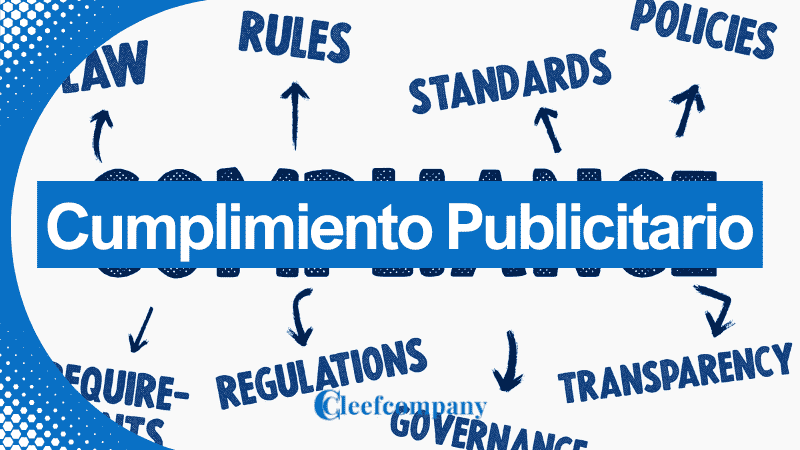
Advertising compliance refers to the set of regulations, standards, and ethical practices that brands and marketing professionals must follow when creating and distributing advertisements.
This includes aspects such as the veracity of information, consumer data protection, and compliance with advertising platform policies.
Advantages and disadvantages of advertising compliance:

Advantages of Advertising Compliance:
1. Building Trust:
Adhering to regulations and ethical practices demonstrates a brand's commitment to honesty and integrity, which strengthens consumer trust in the brand and its products or services.
2. Brand Protection:
Avoiding deceptive or irresponsible advertising practices helps protect the brand's reputation and image in the long term.
A brand that adheres to ethical advertising standards is seen as more trustworthy and respectable by consumers.
3. Improving the Consumer Experience:
Transparent and relevant ads improve the user experience by providing clear and useful information.
This not only increases consumer satisfaction, but also fosters stronger and longer-lasting relationships with customers.
Disadvantages of Advertising Compliance:
1. Complexity of Changing Regulations:
Regulations in the area of advertising compliance can be complex and are subject to frequent changes.
This can make it difficult for marketing professionals to keep up with new regulations and ensure they comply with all applicable rules.
2. Need to Adapt to Different Standards:
With the diversity of advertising platforms and local and international regulations, marketing professionals must adapt to different standards and requirements in each context.
This can increase the administrative burden and make it difficult to consistently implement compliance strategies.
3. Balance between Creativity and Conformity:
Sometimes, advertising compliance regulations can limit creativity in the development of advertising campaigns.
Marketing professionals must strike a balance between being creative and complying with legal and ethical regulations, which can be challenging in a highly competitive and constantly evolving environment.
Legal and Regulatory Framework
Advertising compliance is a complex field that encompasses a number of laws and regulations at both the national and international levels.
These regulations aim to ensure that marketing practices respect consumer rights and privacy.
Here is a more detailed explanation of some of the most relevant regulations:
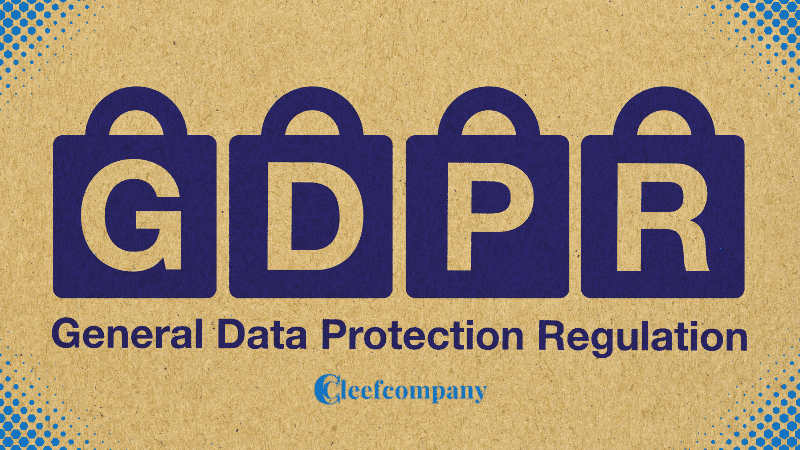
1. GDPR (General Data Protection Regulation):
This European Union regulation, implemented in 2018, is one of the strictest regulations regarding the protection of personal data.
He GDPR It establishes clear rules on how companies can collect, store, and process users' personal data.
Its provisions include the user's explicit consent for data collection, the right to access and delete personal information, and the obligation to notify the authorities in case of data security breaches.
2. CAN-SPAM Act:
This United States legislation, whose full name is “Controlling the Assault of Non-Solicited Pornography And Marketing Act“", focuses on regulating the sending of unwanted commercial emails.
The law establishes specific requirements for email marketing, including the prohibition of deceptive practices, the obligation to identify messages as advertising, and the inclusion of a clear option for recipients to opt out of future promotional emails.
3. FTC (Federal Trade Commission) Guidelines:
The FTC issues guidelines and regulations related to fair and honest advertising in the United States.
These guidelines cover a wide range of advertising practices, including clear disclosure of business relationships or sponsorships, the truthfulness of advertising claims, and the protection of consumers against fraud and deceptive advertising.
The FTC also monitors compliance with these regulations and can impose penalties on companies that violate the established rules.
In summary, advertising compliance involves adhering to a series of regulations designed to protect consumer rights and ensure transparency and honesty in marketing practices.
By understanding and complying with these regulations, companies can build strong relationships with their customers and avoid potential legal penalties.
Best Compliance Practices

Adherence to best compliance practices is fundamental to building a strong reputation and maintaining consumer trust.
Here is a more detailed explanation of some of these practices:
1. Clear and Conspicuous Disclosure:
Transparency is key in advertising, especially when it comes to business relationships or incentives.
It is important that any type of partnership, sponsorship, or compensation in your advertisements is clearly disclosed in a visible and easily understandable way for consumers.
This helps avoid misunderstandings or confusion and promotes trust in your brand.
2. Respect for User Privacy:
With increasing concerns about data privacy, it is crucial to comply with data protection regulations and obtain explicit user consent before collecting or using their personal information.
This includes data such as names, email addresses, phone numbers, and any other information that can identify an individual.
By obtaining the user's consent in a clear and voluntary manner, you demonstrate your commitment to protecting their privacy and security.
3. Truthfulness and Accuracy:
Your ads must be accurate and truthful regarding the products or services they promote.
It is important to avoid making false or misleading claims about the features, benefits, or performance of a product or service.
Providing accurate and honest information is not only an ethical practice, but it also helps build a reputation for trust among consumers and avoids potential legal action for misleading advertising.
By adhering to these best compliance practices, companies can demonstrate their commitment to integrity, transparency, and respect for consumer rights and privacy.
This not only strengthens the relationship with existing customers, but also helps to attract new customers and build a positive reputation in the market.
Tools and Resources

The availability of specific tools and resources facilitates the advertising compliance process.
Here's a more detailed explanation of how to take advantage of these tools and resources:
1. Advertising Platforms:
The main advertising platforms, such as Google Ads y Facebook Ads, They offer integrated tools to help you comply with established advertising policies.
These tools often include automated review systems that check your ads before they are published to ensure they comply with the platform's guidelines.
In addition, they provide detailed information about advertising policies, allowing you to adjust your ads as needed to ensure compliance.
2. Guides and Guidelines:
The guides and directives of organizations such as the FTC (Federal Trade Commission) and the IAB (Interactive Advertising Bureau) These are valuable resources that offer guidance on best practices for advertising compliance.
These guides typically cover a variety of topics, from the disclosure of business relationships to data privacy and the truthfulness of advertisements.
By consulting these guides, you can ensure that your advertising campaigns comply with the ethical and legal standards set by the industry.
By leveraging these tools and resources, you can ensure your advertising campaigns comply with current policies and regulations, allowing you to promote your brand and products effectively and ethically.
Furthermore, by maintaining a high level of compliance, you can protect your company's reputation and avoid potential legal consequences or penalties for misleading or unethical advertising.
Conclusion
The importance of advertising compliance in the digital world is undeniable.
We've explored why it's crucial to integrate advertising compliance into every stage of your business. marketing strategy:
1. Building Trust:
Advertising compliance demonstrates to your potential customers that your brand values honesty and transparency.
By complying with regulations and ethical standards, you build a relationship of trust with your audience, which can lead to greater long-term loyalty and retention.
2. Reputation Protection:
A violation of advertising compliance can seriously damage your brand's reputation.
Bad advertising practices, such as failure to disclose business relationships or misleading advertising, can lead to negative reviews, loss of customers, and irreparable damage to your company's reputation.
By prioritizing advertising compliance, you protect the integrity of your brand and maintain a positive image with your audience.
3. Avoid Legal Penalties:
Failure to comply with advertising regulations can have serious legal consequences, ranging from financial fines to lawsuits.
Regulatory agencies, such as the FTC, are vigilant against deceptive or unfair advertising practices and are prepared to take legal action against companies that do not comply with established regulations.
By ensuring you comply with all applicable regulations, you avoid facing costly and potentially damaging legal penalties for your business.
In summary, advertising compliance is not only a legal obligation, but also an opportunity to build strong relationships with consumers, protect your brand's reputation, and avoid adverse legal consequences.
By integrating advertising compliance into every aspect of your campaigns, you can ensure the long-term success of your brand in the competitive world of digital marketing.
Ready to take your advertising compliance strategy to the next level?
¡Contact us today and discover how we can help you achieve your marketing goals ethically and effectively!
Frequently Asked Questions about Advertising Compliance
What is advertising compliance?
Advertising compliance refers to the set of regulations, standards, and ethical practices that brands and marketing professionals must follow when creating and distributing advertisements.
Why is advertising compliance important?
Advertising compliance is crucial to maintaining integrity and trust in the advertising ecosystem, ensuring that marketing practices are transparent, ethical, and legal.
What are some examples of practices that violate advertising compliance?
Some examples include failure to disclose business relationships, deceptive advertising, unauthorized collection of personal data, and non-compliance with advertising platform policies.
How does advertising compliance benefit brands?
Adhering to regulations and ethical practices in advertising helps build trust with consumers, protect brand reputation, and avoid potential legal penalties.
What challenges do marketing professionals face in relation to advertising compliance?
Some challenges include keeping up with changing regulations, adapting to different standards across multiple platforms, and balancing creativity with compliance.
What laws and regulations are relevant to advertising compliance?
Laws such as GDPR, CAN-SPAM and guidelines of the FTC They are relevant because they address data protection, email marketing, and fair and honest advertising, respectively.
What practices are considered best for advertising compliance?
Best practices include clear and conspicuous disclosure, respect for user privacy, and truthfulness and accuracy in advertisements.
What tools and resources are available to ensure advertising compliance?
Advertising platforms such as Google Ads y Facebook Ads, as well as guides and directives from organizations such as the FTC, are useful tools and resources to ensure advertising compliance.
How can advertising compliance improve the consumer experience?
By providing transparent, relevant, and accurate ads, advertising compliance improves the user experience and fosters stronger customer relationships.
What consequences can failure to comply with advertising regulations have?
Failure to comply can result in loss of consumer confidence, damage to brand reputation, and legal penalties, ranging from financial fines to lawsuits.











 Spanish
 English
 French
0 Comments