
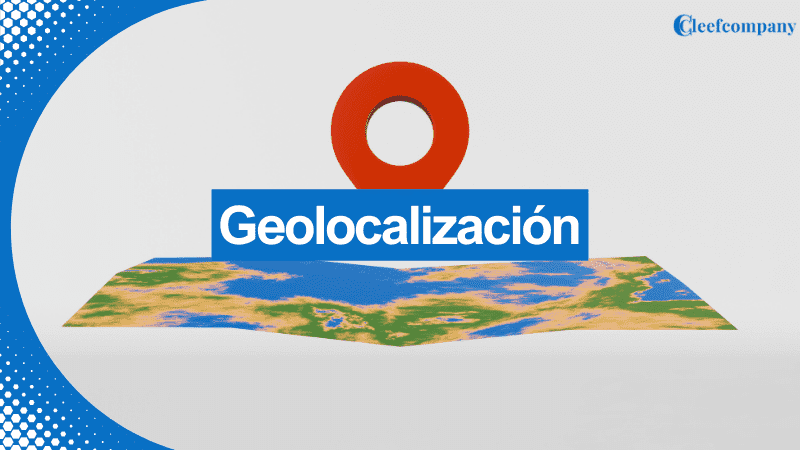
Have you ever wondered how geolocation can revolutionize your marketing strategy and take your campaigns to the next level?
In this article, we will explore the power of geolocation in the world of digital marketing.
From understanding its definition to discovering how it can impact your advertising efforts, we guarantee an immersion in the potential of this powerful tool.
Ready to discover how to connect with your local audience more effectively?
Keep reading to find out!
What is Geolocation in Marketing?
Geolocation in marketing is the practice of using a user's physical location to personalize and optimize marketing strategies.
This is achieved through the use of technologies such as GPS, Wi-Fi networks, and mobile location data to segment, target, and measure marketing campaigns more accurately.
Pros and Cons of Geolocation in Marketing
Advantages of Geolocation in Marketing:
1. Local Relevance: It allows companies to target potential customers based on their geographic location, increasing the relevance of messages and offers.
2. Customization: It facilitates the personalization of marketing campaigns based on the user's location, improving the customer experience and increases conversion rates.
3. Resource Optimization: It helps companies to optimize their resources by targeting specific audiences in key geographic areas, maximizing return on investment.
Disadvantages of Geolocation in Marketing:
1. Privacy: The use of location data raises concerns about user privacy, which can negatively affect brand perception if not handled properly.
2. Accuracy: The accuracy of location data can vary depending on the technology used, which can affect the effectiveness of geolocated marketing campaigns.
What will you learn in this article about geolocation?
1. Geographic Segmentation Strategies: Discover how to segment your audience based on location to create more effective and personalized campaigns.
2. Proximity Marketing: Explore how to use geolocation to reach potential customers when they are near your physical business.
3. Geo-targeted Advertising: Learn to create highly relevant and persuasive ads that are triggered based on the user's location.
4. Local Experience Optimization: Discover how to improve the customer experience by using geolocation technologies in your marketing strategy.
Geographic Segmentation Strategies
Geographic segmentation is a fundamental strategy in location-based marketing, allowing you to direct your efforts towards specific areas where your target audience is located. your ideal customers.
Here are some key strategies to make the most of this advantage:
1. Segmentation by City or Region:
By targeting customers in specific areas where your business has a presence or high demand, you can personalize your messages and offers to meet local needs.
2. Segmentation by Postal Code:
By using postal codes, you can reach potential customers in specific areas within a city or region, allowing you to tailor your marketing strategies to the demographics and behaviors of each area.
3. Segmentation by Range of Action:
Defining a radius of action around your physical business allows you to reach potential customers who are nearby, increasing the chances that they will visit your establishment.
This strategy is especially effective for local businesses such as brick-and-mortar stores or restaurants.
Proximity Marketing
Proximity marketing is a highly effective strategy that leverages geolocation to interact with potential customers at the right time and place.
Here are some key tactics for successfully implementing this strategy:
1. Push Notifications:
This tactic involves sending notifications directly to users' mobile devices when they are in the vicinity of your establishment.
By offering special offers or exclusive discounts, you motivate users to make an impulsive visit to your store, increasing the chances of conversion.
2. Advertising in Places of Interest:
Placing ads on mobile apps or websites popular with users near your physical location is a great way to increase your business's visibility.
By displaying relevant ads at the right time, you capture the attention of potential customers while they are at a stage prone to purchase.
3. Geolocated Offers:
Creating specific offers and promotions for customers who are near your business is a powerful strategy to boost sales.
By offering personalized incentives, such as location-based discounts, you motivate customers to take advantage of the opportunity and visit your establishment at that time, increasing conversions and fostering customer loyalty.
Geo-targeted Advertising
Geolocation-based advertising offers a highly effective way to connect with potential customers based on their physical location.
Here are some key strategies for successfully implementing this tactic:
1. Ads on Maps and Browsers:
This strategy involves placing ads on mobile map and browser services, such as Google Maps, which are activated when users search for directions or nearby places.
By displaying relevant ads at the exact moment users are searching for local information, you increase your business's visibility among local customers interested in your products or services.
2. Social Media Ads:
Use location-based targeting on platforms of social networks It allows you to show ads specifically to users who are near your business.
By targeting your advertising messages to a localized audience, you significantly increase the chances of conversion, as you are reaching people who are physically close and more likely to make a purchase or visit your establishment.
3. Mobile App Ads:
Placing ads in popular mobile apps that are relevant to your local audience is another. effective strategy to reach potential customers in your area.
This includes local news apps, transportation apps, or even home delivery service apps.
By displaying ads in apps that local users frequently use, you increase the chances of generating interest and conversions among your target audience.
Local Experience Optimization
Optimizing the local experience is fundamental to ensuring that customers have a positive and memorable interaction with your physical business.
Next, we'll explore how geolocation can improve this experience and strengthen your relationship with your local customers.
1. Special Offers by Geolocation:
By offering special offers or exclusive discounts through mobile applications or geolocation services, you can encourage customers to visit your business.
This strategy not only increases customer satisfaction by making them feel valued, but also fosters brand loyalty by providing exclusive benefits to those who interact with your business in person.
2. Service Personalization:
Geolocation allows you to personalize the customer experience based on their location and preferences.
For example, by using geolocation data, you can offer personalized recommendations or relevant information about products or services available at the nearest store.
This personalization creates a more relevant and engaging experience for the customer, increasing their satisfaction and the likelihood of conversion.
3. Real-Time Feedback:
Requesting feedback from customers while they visit your business using geolocation services gives you the opportunity to receive immediate and specific feedback about their experience.
This allows you to quickly and effectively identify areas for improvement, address any problems immediately, and demonstrate your commitment to customer satisfaction.
Furthermore, by demonstrating that you value their opinion and are willing to improve, you strengthen customer trust and loyalty towards your brand.
Conclusion
Geolocation in marketing offers a variety of opportunities to connect with your local audience in an effective and engaging way.
By leveraging geographic targeting strategies, proximity marketing, geo-targeted advertising, and local experience optimization, you can improve the relevance of your messages, increase conversion rates, and strengthen relationships with your audience. your customers premises.
Are you ready to take your marketing strategy to the next level with geolocation?
Contact us today and discover how we can help you achieve your local marketing goals!
If you have any further questions about how to make the most of geolocation in your marketing strategy, don't hesitate to contact us!
We're here to help you succeed in your local marketing strategy.
How are you using geolocation in your business?
Frequently Asked Questions about Geolocation in Marketing:
What is geolocation in marketing?
The geolocation in marketing It is the use of a user's physical location to personalize and optimize marketing strategies.
It relies on technologies such as GPS and mobile location data to target campaigns more precisely.
What are the advantages of geolocation in marketing?
The advantages include local relevance, message personalization, resource optimization, and the ability to reach potential customers when they are near your physical business.
What technologies are used for geolocation in marketing?
Technologies such as GPS, Wi-Fi networks, and mobile location data are used to collect information about users' locations and to effectively target marketing campaigns.
How is the audience segmented using geolocation?
The audience can be segmented based on geographic location, such as city, region, or postal code, allowing businesses to target potential customers in specific areas.
What is proximity marketing and how does it work?
Proximity marketing uses geolocation to reach potential customers when they are near your physical business, through tactics such as push notifications, landmark advertising, and geo-targeted offers.
What are some geolocation advertising strategies?
Some strategies include ads on maps and browsers, in social networks and in mobile applications, which are activated when users are near your physical location.
How can the customer experience be optimized using geolocation?
Customer experience can be improved by offering special deals based on geolocation, personalizing services, and requesting real-time feedback when customers visit your business.
What privacy considerations should be taken into account when using geolocation in marketing?
It is important to obtain user consent before collecting location data and to ensure compliance with all applicable privacy regulations.
What metrics can be used to measure the success of geolocation marketing campaigns?
Some metrics include conversion rates, return on investment (ROI), geographic reach, and customer feedback.
How can I start implementing geolocation in my marketing strategy?
You can start by identifying the needs and preferences of your local audience, selecting the right geolocation technologies, and designing customized campaigns to reach potential customers in your area.







 Spanish
 English
 French
0 Comments