
Are you ready to unleash the full potential of segmented marketing and take your business to the next level?
In this exciting journey to the very heart of digital marketing, we invite you to explore the fascinating world of Segmented Marketing.
Join us on this digital odyssey where each page will reveal new perspectives, innovative strategies, and practical tips that will completely transform your approach to online marketing.
What is Segmented Marketing?
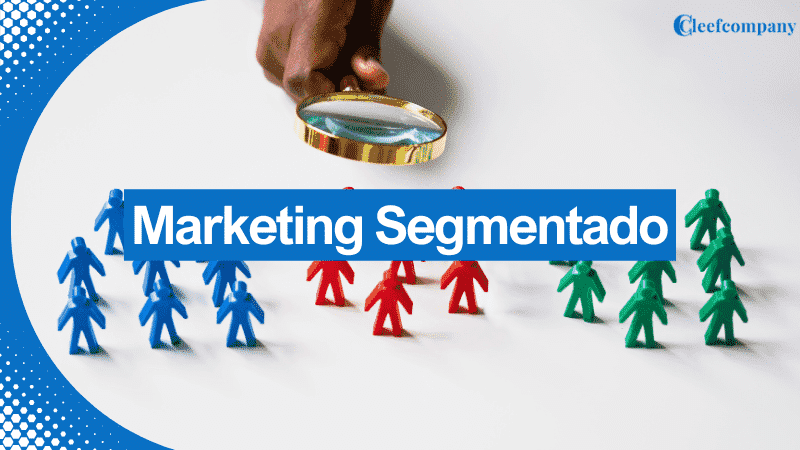
Segmented Marketing is a strategy that consists of dividing the market into smaller groups or segments, with similar characteristics and needs, and then designing and adapting specific marketing strategies for each of these segments.
In short, it's about targeting more specific and personalized audiences instead of launching a single message for everyone.
Pros and Cons of Segmented Marketing
Advantages of Segmented Marketing:
1. Customization: It allows you to personalize messages and offers to meet the specific needs and preferences of each market segment.
2. Greater Effectiveness: By targeting more specific audiences, marketing campaigns tend to be more effective, as they become more relevant and persuasive to the recipients.
3. Better Return on Investment (ROI): By focusing resources on market segments with the greatest conversion potential, the return on marketing investment is maximized.
4. Customer Loyalty: By offering personalized messages and offers, a stronger emotional connection is created with customers, which can lead to greater brand loyalty and long-term relationships.
5. Less Waste of Resources: By avoiding wasting resources on irrelevant audiences, the marketing budget is optimized and overall costs are reduced.
Disadvantages of Segmented Marketing:
1. Complexity: Implementing segmented marketing strategies can be more complex and requires a greater investment in market research, data analysis, and the development of content specific to each segment.
2. Higher Cost: Personalizing messages and offers can increase marketing production and distribution costs, which can be prohibitive for some businesses with limited budgets.
3. Possible Fragmentation: Dividing the market into smaller segments can result in brand fragmentation and a loss of consistency in communication, which can dilute the overall impact of the marketing strategy.
4. Need for Accurate Data: The success of segmented marketing depends largely on the availability of accurate and up-to-date data on different market segments, which can be difficult to obtain and maintain in some cases.
What will you learn in this article about Segmented Marketing?
1. How to Identify Relevant Market Segments
2. Strategies for personalizing messages and offers
3. How to measure and analyze the impact of segmented marketing
4. Practical tips for successfully implementing a segmented marketing strategy
How to Identify Relevant Market Segments
Before diving into segmented marketing strategy, it's crucial to understand who your target audience is. your customers and what drives them.
Here's how to identify the most relevant market segments for your business:
- Demographic Analysis:
Examine demographic data such as age, gender, geographic location, and marital status of your audience.
This will help you better understand who they are your main customers and how you can adapt your marketing strategies to meet their specific needs.
- Psychographic Research:
Delve deeper into the interests, values, lifestyles, and personalities of your customers.
This information will allow you to create messages and offers that resonate emotionally with your audience, thus increasing the relevance and effectiveness of your marketing campaigns.
- Behavioral Analysis:
Examine your customers' online shopping and browsing behavior.
What products or services do they buy most frequently?
¿: 400;”>This data will help you identify behavioral patterns and personalize your marketing strategy to maximize engagement and conversions.
By using data analysis tools, conducting surveys and interviews with customers, you can gather accurate and detailed information about your audience, allowing you to identify the most relevant market segments and adapt your digital marketing strategies effectively.
Strategies for Personalizing Messages and Offers
Once you have identified the relevant market segments, it's time to personalize your messages and offers to meet the specific needs of each group.
Here's how you can do it:
- Creation of Specific Content:
Develop unique and relevant content for each market segment.
This may include blog posts, emails, videos, or infographics that address the particular interests and challenges of each group.
- Adapting the Tone and Style of Communication:
Adjust the tone and style of your messages to align with the preferences of each segment.
For example, if you are addressing a young and dynamic audience, you can opt for a more informal tone and colloquial language.
- Personalized Offers:
Design discounts, promotions, and special offers that are relevant to each market segment.
This may involve creating specific product or service packages to meet the needs and desires of each group.
- Loyalty and Rewards Programs:
Implement loyalty and reward programs targeted at specific customer groups to incentivize loyalty and increase retention.
It offers exclusive benefits, such as additional discounts, early access to new products or services, or accumulable reward points.
By personalizing your messages and offers in this way, you can establish stronger connections with your audience and increase the effectiveness of your marketing campaigns.
How to Measure and Analyze the Impact of Segmented Marketing
Evaluating the performance of your segmented marketing strategy is crucial to understanding its effectiveness and making necessary adjustments.
Here's how you can perform this analysis effectively:
- Use Tracking and Analysis Tools:
Implement specialized tools to monitor key metrics, such as conversion rate, ROI, LTV, and customer satisfaction.
This data will provide you with a detailed view of the impact of your segmented marketing efforts.
- Perform A/B testing:
Run A/B tests to compare the performance of different messages and offers across different market segments.
This will allow you to identify which approaches are most effective for each group and adjust your strategy accordingly.
- Analyze Collected Data:
Examine the data collected during your targeted marketing campaigns to identify patterns, trends, and areas for improvement.
Pay attention to factors such as customer response, purchasing behavior, and retention to gain a complete understanding of the impact of your actions.
- Adjust your strategy:
Based on the results obtained, adjust your segmented marketing strategy as needed to maximize its effectiveness.
This may involve changes to the messaging, offers, or communication channels used to reach your audience.
By following these steps and conducting a thorough analysis of your segmented marketing campaigns, you can make informed decisions and continuously optimize your efforts to achieve the best possible results.
Practical Tips for Successfully Implementing a Segmented Marketing Strategy
To successfully implement a segmented marketing strategy, here are some practical tips:
- Know Your Audience:
Investigate your clients and prospects to understand their needs, desires, and behaviors.
Use this information to segment your market effectively.
- Personalize your message:
Create messages and offers that resonate with each market segment.
Use language, tone, and communication style that are relevant and appealing to each customer group.
- Use Automation Tools:
Take advantage of marketing automation tools to personalize and schedule messages and offers targeted to different market segments.
- Measure and Adjust Constantly:
Regularly monitor the performance of your segmented marketing strategy and make adjustments as needed to maximize its effectiveness over time.
By implementing these strategies, you can fully leverage the power of segmented marketing to effectively attract, engage, and retain customers in your business.
Remember, entrepreneurs and business owners, at Cleefcompany we are committed to helping you achieve your digital marketing goals.
With our experience in Marketing, we can work together to create and execute segmented marketing strategies that generate tangible results for your business.
Finally, how do you plan to implement segmented marketing in your business?
Do you have any questions or comments about how we can help you?
We're here to help!
Frequently Asked Questions about Segmented Marketing
1. What is segmented marketing and why is it important for my business?
He segmented marketing It is a strategy that involves dividing the market into smaller segments and targeting each of them specifically with personalized messages and offers.
It's important for your business because it allows you to reach your target audience more effectively, increase the relevance of your messages, and improve the efficiency of your marketing efforts.
2. How can I identify the market segments relevant to my business?
You can identify relevant market segments by conducting a detailed analysis of your audience's demographic, psychographic, and behavioral data.
It uses data analysis tools, surveys, and customer interviews to gather accurate and detailed information about their needs, desires, and behaviors.
3. What is the difference between segmented marketing and mass marketing?
The main difference between segmented marketing and mass marketing is the way in which messages and offers are directed to the audience.
In segmented marketing, messages and offers are personalized and targeted to specific market segments, whereas in mass marketing, messages are sent to a broad audience without distinction.
4. What are the benefits of segmented marketing for my business?
Some of the benefits of segmented marketing include more relevant messages and offers, better audience response and engagement, greater customer loyalty and retention, and greater efficiency and profitability of your marketing efforts.
5. What are some tools and techniques I can use to implement a segmented marketing strategy?
Some tools and techniques you can use to implement a segmented marketing strategy include customer database segmentation, message and offer personalization, marketing automation, data tracking and analysis, and A/B testing.
6. How can I measure the success of my segmented marketing strategy?
You can measure the success of your segmented marketing strategy using key metrics such as conversion rate, return on investment (ROI), customer lifetime value (LTV), customer satisfaction, and other relevant indicators.
Regularly track these metrics and make adjustments as needed to optimize the performance of your strategy.
If you have any further questions, please don't hesitate to ask!






 Spanish
 English
 French
0 Comments