
Are you taking full advantage of Facebook's potential for your business?
In the digital age, having a strong online presence is fundamental to the success of any business.
But how effective is your presence on Facebook?
Are you truly maximizing all the opportunities this platform offers to connect with your audience and grow your brand?
Let's find out together.
What is a Facebook Page?
A Facebook Page is an invaluable tool for businesses, brands, and organizations that want to interact with their audience on the world's largest social platform.
Unlike personal profiles, pages are specifically designed to represent business entities and offer a variety of features and tools geared toward business objectives.
Advantages and disadvantages of a Facebook Page
Advantages of a Facebook Page
1. Massive reach:
With over 2.8 billion monthly active users, Facebook offers unparalleled reach to connect with your target audience.
2. Customization:
You can customize your Facebook Page with detailed information about your business, including profile pictures, cover photo, contact information, and more.
3. Interaction:
Interaction features such as comments, private messages, and reactions allow for two-way communication with your audience, encouraging engagement and building strong customer relationships.
Disadvantages of a Facebook Page
1. Changing algorithm:
Facebook's algorithm is constantly evolving, which can affect the visibility of your organic posts and require a flexible content strategy.
2. Competition:
With millions of businesses competing for user attention, it can be difficult to stand out from the noise and capture your audience's attention.
How to create and set up a Facebook Page
Setting up your Facebook Page: A step-by-step guide to success

Setting up your Facebook Page: A step-by-step guide to success
Setting up an effective Facebook Page is the first crucial step to getting the most out of this platform.
Follow these steps to launch your Facebook Page:
1. Create a Facebook Page:
The creation process is simple and will guide you through the initial setup of your page, including choosing a category, selecting a profile picture and cover photo, and including basic information about your business.
2. Customize the page information:
Add specific details about your business, such as description, address, phone number, and opening hours.
These details will help your followers learn more about your business and how they can contact you.
Strategies to Maximize the Reach of Your Facebook Page
Once your Facebook Page is set up, it's time to start sharing relevant and engaging content with your audience.
Here are some key strategies to maximize your page's reach:
1. Publication of relevant content:
Share content that is interesting, useful, and relevant to your audience.
This may include industry news, helpful tips, customer success stories, and special promotions.
2. Effective use of hashtags and tags:
Use relevant hashtags in your posts to expand your reach and make your content more easily discoverable by users interested in similar topics.
Tag other relevant pages or users in your posts to increase visibility and encourage collaboration.
3. Incorporation of multimedia elements:
Make the most of the power of visual content by sharing engaging photos and videos.
Images and videos are more likely to capture users' attention as they scroll through their news feed, increasing the likelihood that they will interact with your content.
4. Publication schedule:
Use scheduling tools to plan and schedule your posts at optimal times for your audience.
This will allow you to maintain a constant presence on the platform without having to be constantly online.
Audience Interaction: Build strong relationships with your followers

Interacting with your audience is key to building strong relationships and fostering brand loyalty.
Here are some effective ways to engage with your followers:
1. Encourage participation:
Ask questions, organize polls and contests, and encourage your followers to share their opinions and experiences.
This will not only increase engagement, but will also help you get to know your audience better and tailor your content to their interests and needs.
2. Respond to comments and messages:
Be receptive and attentive to the comments and messages you receive on your page.
Respond in a timely and professional manner, and show your followers that you value their participation and feedback.
3. Event creation:
Organize Facebook events to promote product launches, special events, webinars, or any other activity relevant to your business.
Events are an excellent way to generate interest and engagement among your audience and to encourage attendance.
Advanced Tools and Features
Facebook offers a variety of advanced tools and features to help you optimize your page's performance and achieve your business goals.
Here are some things you should keep in mind:
1. Insights:
Use the tool Facebook Insights to get detailed information about your page's performance, including audience demographics, post reach and engagement, and more.
Use this information to adjust your content strategy and maximize the impact of your posts.
2. Facebook Ads:
Consider investing in Facebook advertising to increase your page's visibility and reach a wider audience.
Advanced targeting options will allow you to reach specific users based on their interests, behaviors, and demographics.
3. Integration of third-party applications and tools:
Explore the available integrations that allow you to connect your Facebook page with other applications and third-party tools, such as social media management tools, e-commerce platforms, and CRM systems.
These integrations can help you automate tasks, improve user experience, and increase your efficiency marketing strategy online.
Maintenance and Continuous Updating of a Facebook Page
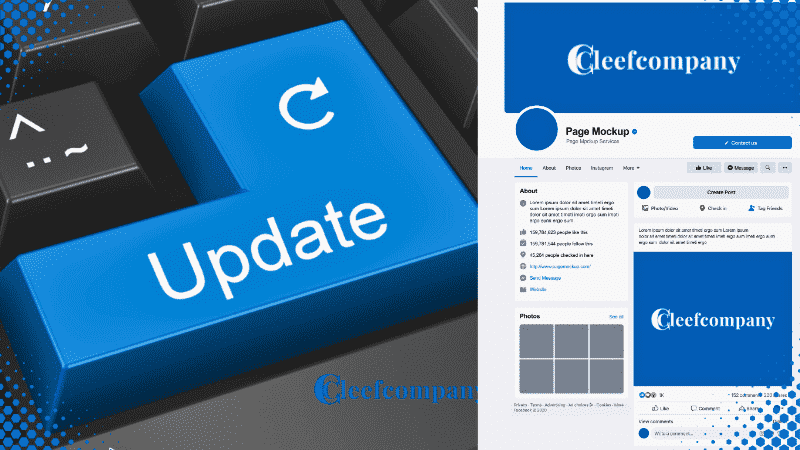
Success on Facebook is not static; it requires a continuous and adaptive approach to remain relevant and effective in a constantly changing digital environment.
Here are some best practices for maintaining and updating your Facebook page:
1. Review and adjustment of the content strategy:
Regularly analyze the performance of your posts and adjust your content strategy based on the data collected.
Experiment with different types of content, posting frequencies, and formats to identify what works best for your audience.
2. Regular updating of page information:
Make sure that the information on your page, such as the description, address, and phone number, is always up-to-date and accurate.
This will help ensure a consistent and professional experience for your followers and potential clients.
3. Monitoring trends and changes in the Facebook algorithm:
Stay on top of the latest trends and changes in the Facebook algorithm to adapt your strategy accordingly.
Keeping up with the latest updates will help you stay relevant and competitive on the platform.
Conclusions:
In summary, a well-managed Facebook Page can be a powerful tool to boost your online presence, connect with your audience, and grow your business.
By following the strategies and best practices described in this article, you'll be on your way to success on the largest platform of social networks of the world.
What is your experience with managing a Facebook Page for your business or personal brand?
What strategies have you found most effective for engaging with your audience and achieving your business goals?
Share your thoughts and experiences in the comments below!
Frequently Asked Questions about Facebook Pages
What is the difference between a Facebook Profile and a Facebook Page?
A personal profile on Facebook is designed for individuals and represents a person.
It is suitable for personal use and allows you to connect with friends and family, share updates, photos and more privately or publicly depending on your privacy settings.
On the other hand, a Facebook page is designed for businesses, organizations, brands, and public figures.
The pages allow the administrators interact with your audience, publish content, and access analytics and advertising tools.
Using a page for business purposes is crucial as it offers specific marketing functionalities, such as the ability to promote posts, access detailed statistics, and add multiple administrators.
How many posts should I make per day on my Facebook Page?
The ideal posting frequency on a Facebook page can vary depending on the type of business and the audience, but it is generally recommended to post between once and twice a day.
It's important not to overwhelm followers with too many posts to avoid making them feel overwhelmed.
The quality of the content is more important than the quantity.
Conducting tests and analyzing the results can help adjust the frequency according to the specific needs and objectives of the business.
How can I increase the number of followers on my Page?
To increase the number of followers on your Facebook page, consider the following strategies:
1. Cross-promotion: Use other social media platforms, your website, and email newsletters to promote your Facebook page.
2. Participation in relevant groups: Actively participate in Facebook groups related to your niche, sharing valuable content and promoting your page.
3. Collaboration with influencers: Collaborate with influencers and public figures who can help attract new followers.
4. Engaging and valuable content: Publish quality content that resonates with your audience, including videos, infographics, and customer testimonials.
5. Contests and raffles: Organize contests and raffles that require participants to follow your page and share your content.
Is it necessary to invest in Facebook advertising to be successful?
Investing in Facebook advertising is not strictly necessary for success, but it can be extremely beneficial.
Facebook advertising allows you to reach a wider and more specific audience, complementing your organic strategy.
Ads can increase the reach and impact of your content, drive traffic to your website and generate conversions.
To maximize success, combine organic efforts with well-designed advertising campaigns.
How can I measure the success of my Facebook Page?
To measure the success of your Facebook page, focus on the following key metrics:
1. Reach: The number of people who see your posts.
2. Engagement: The number of interactions (likes, comments, shares) that your posts receive.
3. Follower growth: The increase in the number of people who follow your page.
4. Conversions: The desired actions that users take after interacting with your content, such as clicking on links, making purchases, or registering.
5. Return on Investment (ROI): The relationship between the cost of your Facebook marketing efforts and the revenue generated.
Use Facebook Insights analytics tools to monitor these metrics and adjust your strategy as needed.
¿Qué tipo de contenido funciona mejor en una Página de Facebook?
El contenido que suele funcionar mejor en una página de Facebook incluye:
1. Videos: Los videos suelen generar más interacción que otros tipos de contenido.
2. Publicaciones de blog: Compartir enlaces a artículos de blog interesantes y valiosos.
3. Infografías: Contenido visual que presenta información de manera atractiva.
4. Historias de clientes: Testimonios y casos de éxito que muestren la experiencia positiva de your customers.
5. Promociones especiales: Ofertas exclusivas, descuentos y concursos que incentiven la participación y el compartir.
¿Cómo puedo interactuar con mi audiencia de manera efectiva en Facebook?
Para fomentar la interacción con tu audiencia en Facebook:
1. Haz preguntas: Publica preguntas que inviten a los seguidores a compartir sus opiniones y experiencias.
2. Organiza concursos: Los concursos y sorteos pueden aumentar la participación y el alcance.
3. Responde a los comentarios: Mantén una conversación activa respondiendo rápidamente a los comentarios y mensajes.
4. Publica contenido interactivo: Encuestas, cuestionarios y encuestas pueden mantener a la audiencia comprometida.
5. Transmisiones en vivo: Realiza transmisiones en vivo para interactuar en tiempo real con tus seguidores.
¿Cuáles son algunas herramientas útiles para administrar una Página de Facebook?
Existen varias herramientas útiles para administrar una página de Facebook:
1. Hootsuite y Buffer: Herramientas para programar publicaciones y gestionar múltiples cuentas de redes sociales.
2. Canva: Herramienta de diseño gráfico que facilita la creación de imágenes y gráficos atractivos.
3. Facebook Insights: Herramienta de análisis nativa para monitorear el rendimiento de tu página.
4. Sprout Social: Plataforma completa para la gestión y análisis de redes sociales.
5. Agorapulse: Herramienta para programar publicaciones, monitorear menciones y generar informes detallados.
¿Cómo puedo mantener mi página de Facebook actualizada y relevante?
Para mantener tu página de Facebook fresca y relevante:
1. Programa publicaciones regularmente: Mantén un calendario de contenido consistente.
2. Participa en eventos y tendencias: Publica contenido relacionado con eventos actuales y tendencias relevantes.
3. Actualiza la información de la página: Asegúrate de que los detalles de tu negocio, como el horario y la ubicación, estén siempre actualizados.
4. Prueba diferentes tipos de contenido: Experimenta con videos, imágenes, artículos y otros formatos para ver qué resuena mejor con tu audiencia.
5. Recibe feedback: Pide a tus seguidores que te den retroalimentación sobre el contenido y las mejoras que les gustaría ver.
¿Qué puedo hacer si mi página de Facebook no está obteniendo los resultados deseados?
Si tu página de Facebook no está alcanzando tus objetivos, considera los siguientes pasos:
1. Revisa tu estrategia de contenido: Analiza qué tipos de publicaciones están funcionando mejor y ajusta tu estrategia en consecuencia.
2. Optimiza tu perfil: Asegúrate de que la información de tu página sea completa y precisa, y utiliza imágenes atractivas.
3. Considera la publicidad paga: Invierte en anuncios de Facebook para aumentar la visibilidad y el alcance.
4. Fomenta la interacción: Publica contenido que invite a la participación y responde activamente a los comentarios y mensajes.
5. Analiza los datos: Utiliza herramientas de análisis para entender mejor el comportamiento de tu audiencia y ajustar tus esfuerzos en consecuencia.




 Spanish
 English
 French
0 Comments