

Have you ever wondered how you can make every dollar spent on online advertising turn into a tangible return?
Discover how to unlock the hidden potential of your online marketing strategies!
Let's explore an essential tool that will take you closer to your business goals: ad monitoring.
Get ready to discover how this practice can boost your advertising campaigns to maximum performance and ensure that every dollar invested turns into a tangible return.
Are you ready to unlock the hidden potential of your online marketing strategies?
So, keep reading and discover the power of ad monitoring.
What is Ad Monitoring?
Ad monitoring is a comprehensive process that involves continuous monitoring and detailed analysis of the performance of your online ads.
It consists of collecting, analyzing, and evaluating key data related to the performance of your advertising campaigns, in order to identify areas for improvement and make informed decisions to optimize your marketing strategies.
Advantages and Disadvantages of Ad Monitoring

Advantages of Ad Monitoring:
1. Real-Time Optimization:
It allows you to make adjustments and optimizations in real time, enabling you to quickly adapt your campaigns to improve their effectiveness and maximize return on investment.
2. Identifying Opportunities:
Continuous monitoring helps you identify opportunities for improvement and areas of underperformance in your campaigns, allowing you to take proactive steps to optimize your strategies and achieve your advertising goals.
3. Improved ROI:
By analyzing and adjusting your campaigns based on the data collected, you can improve return on investment by focusing on tactics and channels that generate the best results.
Disadvantages of Ad Monitoring:
1. Time and Resource Consumption:
It requires a significant investment of time and resources to collect, analyze, and act on your ad performance data, which can be an additional burden for resource-constrained marketing teams.
2. Data Complexity:
Handling large volumes of advertising data can be overwhelming and complicated, especially for those without experience in data analysis, which can make it difficult to interpret the results and make informed decisions.
Monitoring Tools and Platforms
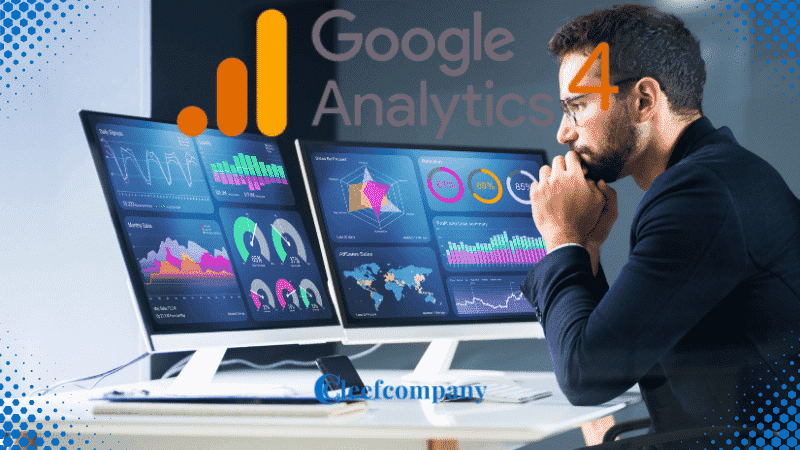
A key part of ad monitoring is having the right tools and platforms to effectively collect and analyze data.
Here is a list of some popular tools you might consider:
1. Google Analytics:
Google Analytics As a platform, it offers a wide range of tools for tracking and analyzing web traffic, including specific functions for tracking advertising campaigns and ad performance.
2. Google Ads and Facebook Ads Manager:
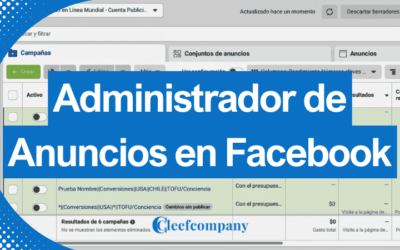
The advertising platforms themselves offer built-in tools to monitor and analyze the performance of your ads in real time, allowing you to make adjustments and optimizations directly from the platform.
3. Third-Party Analytics Tools:
You can also consider third-party analytics tools, such as Adobe Analytics, Hotjar o HubSpot, which offer advanced functionalities for tracking and analyzing advertising performance.
Regardless of the tool you choose, it's important to ensure it provides access to key metrics, such as CTR, CPC, CPA, and ROI, so you can accurately assess your ad performance and make informed decisions to optimize your advertising strategies.
Key Monitoring Metrics

When monitoring your ads, it's important to focus on key metrics that provide relevant information about your campaign performance.
Here are some important metrics to keep in mind:
1. Click-Through Rate (CTR):
This metric indicates the percentage of people who click on your ads after viewing them.
A high CTR suggests that your ads are relevant and engaging for your audience, while a low CTR may indicate that you need to adjust your copy or creative.
2. Cost Per Click (CPC):
CPC represents the average cost you pay for each click on your ads.
It is important to keep this cost low to maximize the return on investment in advertising.
3. Cost Per Acquisition (CPA):
CPA indicates the average cost you pay to acquire a new customer through your ads.
It is important to keep this cost within a profitable range to ensure the effectiveness of your advertising campaigns.
4. Return on Investment (ROI):
ROI is a measure of the performance of your campaigns in relation to the cost of advertising investment.
It is calculated by dividing the net profit obtained from the campaign by the total cost of the investment and expressing it as a percentage.
A positive ROI means you're earning more revenue than you're spending on advertising, while a negative ROI indicates you're losing money on your campaigns.
By regularly monitoring these metrics and comparing them to your goals and KPIs (Key Performance Indicators), you can evaluate the performance of your ads and make informed decisions to optimize your marketing strategies and maximize your return on investment.
Data Analysis Techniques

Once you've gathered data on the performance of your ads, it's important to know how to analyze it to gain meaningful insights that will help you optimize your marketing strategies.
Here are some data analysis techniques you can use:
1. Comparative Analysis:
Compare the performance of your different ads and campaigns to identify which tactics and creatives generate the best results.
Pay attention to variations in metrics such as CTR, CPC, and CPA to determine which elements of your ads are most effective and which need improvement.
2. Segmentation Analysis:
Analyze the performance of your ads based on different audience segments to identify unique patterns and trends.
Examine how different demographic and interest groups respond to your ads and adjust your strategies segmentation accordingly to maximize the effectiveness of your campaigns.
3. Attribution Analysis:
Use attribution models to determine which channels and tactics contribute most to conversions and sales.
Examine the customer journey from the first contact with your ads to the final conversion to understand which touchpoints are most influential in the buying process and properly assign credit to each marketing channel.
By using these data analysis techniques, you can gain valuable insights into the performance of your ads and make informed decisions to optimize your marketing strategies and maximize your return on investment.
Continuous Optimization

A key part of ad monitoring is the continuous optimization of your marketing strategies based on the data collected.
Here are some best practices to optimize your advertising campaigns effectively:
1. Conduct A/B testing:
Experiment with different variations of your ads, such as copy, creatives, and calls to action, to identify which elements generate the best results.
Conduct regular A/B testing and use the collected data to adjust and optimize your campaigns based on the results.
2. Adjust your Segmentation:
Refine your segmentation strategies based on the data collected about your audience's behavior and preferences.
Use information about the most receptive audience segments to tailor your messages and offers and maximize the relevance and effectiveness of your ads.
3. Optimize your Offers:
Adjust your bids and bidding strategies based on the performance of your ads and your marketing goals.
Experiment with different bidding strategies, such as CPC (Cost Per Click) or CPA (Cost Per Acquisition), and use the collected data to determine the best strategy to maximize return on investment.
4. Track Your Competitors:
Stay on top of your competitors' advertising strategies and use this information to dominate and continue dominating the market.
Analyze what tactics your competitors are using and how they are working to identify opportunities for improvement and differentiation in your own campaigns.
By implementing these best practices and making regular adjustments based on the data collected, you can continuously optimize your advertising campaigns and improve their performance and effectiveness over time.
Conclusion
In summary, ad monitoring is a critical component for the success of your online advertising campaigns.
Here are the key steps to get the most out of this practice:
1. Data Collection:
The first step is to gather relevant data about the performance of your ads, including metrics such as CTR, CPC, and ROI.
2. Detailed Analysis:
Once you have the data, it is crucial to analyze it in depth to identify trends, patterns, and areas for improvement.
3. Corrective Actions:
Based on the analysis performed, take concrete steps to optimize your advertising campaigns, such as adjusting the targeting, modifying the ad copy, or readjusting the budget.
4. Continuous Assessment:
Ad monitoring is an ongoing process.
Regularly evaluate the performance of your campaigns and make adjustments as needed to ensure they remain effective.
By implementing a robust and proactive ad monitoring process, you can continuously improve your marketing strategies and maximize your return on investment in online advertising.
Don't wait any longer to start implementing these practices and take your advertising campaigns to the next level!
Have you implemented Ad Monitoring in your campaigns before?
Frequently Asked Questions about Ad Monitoring:
What is ad monitoring?
Ad monitoring is a comprehensive process that involves continuous monitoring and detailed analysis of the performance of your online ads.
It consists of collecting, analyzing, and evaluating key data related to the performance of your advertising campaigns, in order to identify areas for improvement and make informed decisions to optimize your marketing strategies.
Why is ad monitoring important in digital marketing strategies?
Ad monitoring is essential because it allows you to make adjustments and optimizations in real time, quickly adapt your campaigns to improve their effectiveness and maximize return on investment.
Furthermore, it helps you identify opportunities for improvement and areas of underperformance in your campaigns, allowing you to take proactive steps to optimize your strategies and achieve your advertising goals.
What are the key metrics I should monitor in my ads?
Some key metrics you should monitor include CTR (Click-Through Rate), CPC (Cost Per Click), CPA (Cost Per Acquisition), ROI (Return on Investment), and other metrics related to the performance and effectiveness of your ads.
What tools can I use for ad monitoring?
You can use a variety of tools and platforms, such as Google Analyticss, Google Ads, Facebook Ads Manager and third-party analytics tools such as Adobe Analytics, Hotjar o HubSpot, to collect and analyze data effectively.
How can I interpret the data collected during ad monitoring?
You can use data analysis techniques such as comparative analysis, segmentation analysis, and attribution analysis to interpret the collected data and gain meaningful insights that help you optimize your marketing strategies.
How often should I monitor my ads?
The monitoring frequency can vary depending on your goals and the level of detail you wish to obtain.
However, it is advisable to monitor regularly, at least weekly or monthly, to ensure you are aware of your ad performance and can make timely, informed decisions.
How can I optimize my advertising campaigns based on the collected data?
You can optimize your campaigns by making adjustments based on the data collected, such as conducting A/B tests, adjusting your targeting, optimizing your bids, and tracking your competitors to identify opportunities for improvement and differentiation in your own campaigns.
What benefits can I gain from implementing an ad monitoring process?
By implementing an ad monitoring process, you can gain benefits such as real-time optimization, identification of improvement opportunities, improved ROI, and a better understanding of the performance and effectiveness of your advertising campaigns.
What challenges might I face when monitoring ads?
Some challenges you may face include the consumption of time and resources, the complexity of the data, and the need to interpret and act on the collected data effectively to optimize your marketing strategies.
What are the best practices for effective ad monitoring?
Some best practices include regularly conducting A/B tests, adjusting your targeting based on the data collected, optimizing your bids, and tracking your competitors to identify opportunities for improvement and differentiation in your own campaigns.
In addition, it's important to monitor regularly and make informed decisions based on the data collected to maximize the performance and effectiveness of your ads.








 Spanish
 English
0 Comments