
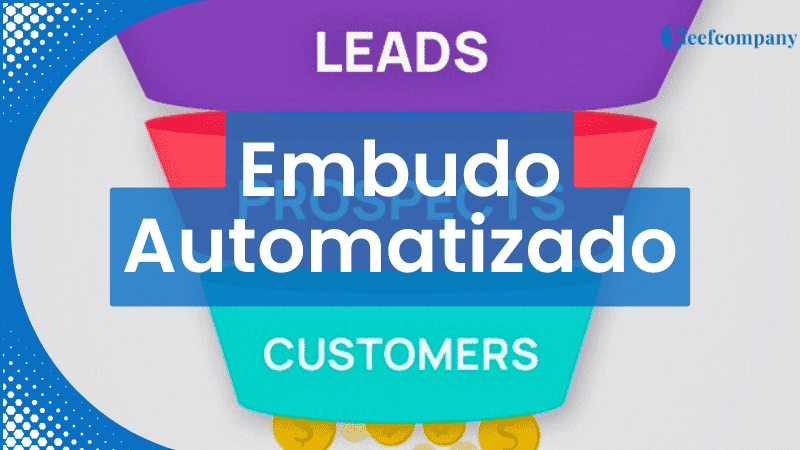
Are you looking to maximize your business revenue without constantly putting in extra effort?
If so, an automated funnel may be the perfect solution for your business.
An automated funnel is a system that uses digital tools and technologies to create a unique and personalized experience for customers throughout their journey, from initial contact to purchase.
By leveraging available technologies, businesses and entrepreneurs can nurture ideal customers, increase conversion rates, and measure the results of their marketing initiatives more effectively.
In this post, we'll see how businesses can use an automated funnel to get the most out of their sales process.
What is an automated funnel?
An automated funnel is a system that allows you to automate processes once your ideal customer enters your business world.
Automated funnels utilize various digital technologies, such as:
- Email automation
- Website tracking
- And survey tools to create personalized experiences that encourage potential customers to follow a series of carefully planned steps.
This allows companies to nurture potential customers, increase conversion rates and constantly measure the success of their marketing initiatives.
A key advantage The key feature of a funnel is its ability to personalize the experience for each potential customer.
Through segmentation techniques such as A/B testing, companies can tailor content and... offers specifically tailored to each potential customer based on their unique needs and interests.
This allows them to establish relationships with ideal clients who are more likely to become paying customers.
Using automated funnels also allows businesses to track their progress in real time, view statistics, and much more detail depending on the software they are using.
By measuring metrics such as open rates and clicks, businesses can quickly identify areas that need improvement and optimization.
This helps them focus their resources on the most effective strategies to increase sales and reduce costs.
In general, a sales funnel is an invaluable asset for any company or entrepreneur looking to maximize their sales potential and optimize the customer experience.
By using digital technologies to personalize interactions with potential customers and measure results in real time, companies and businesses can ensure they are getting the most out of their marketing efforts.
Advantages of using automated funnels
The use of automated funnels can bring many incredible advantages to the customer journey in a company.
By leveraging digital tools and technologies, businesses can create personalized customer experiences that guide potential customers through a predetermined course of action.
This allows companies to better nurture their leads, track the success of their campaigns, and optimize the conversion rate of their ideal customers.
In addition, businesses and entrepreneurs can use specific tags within their CRM software to personalize the customer journey by segmenting based on their preferences and behaviors, as well as sending specific messages tailored to the desires and needs of each individual.
This ensures that each potential customer receives the exact message they need at every moment and increases the likelihood that they will become a paying customer.
Another advantage One of the advantages of automated funnels is that they allow companies to measure the success of their campaigns more accurately than ever before.
That is incredible and invaluable.
Thanks to detailed tracking features, companies can see which campaigns are delivering positive results and which ones could be improved even further.
This helps them focus on what works best for their audience, so they can maximize the return on investment for each campaign within their company.
Finally, Automated funnels also help increase conversion rates, as they provide an easy way for potential customers to move through the sales process quickly and efficiently.
By eliminating unnecessary steps in the process or providing simplified versions of complex tasks, companies can reduce friction points within the funnel, making it easier for people to become paying customers with minimal effort on their part.
Writing about these advantages made me think and want to ask you, Do you have a lead generation funnel in your business?
If you don't have it, it will be necessary to help you throughout this process of acquiring potential clients.
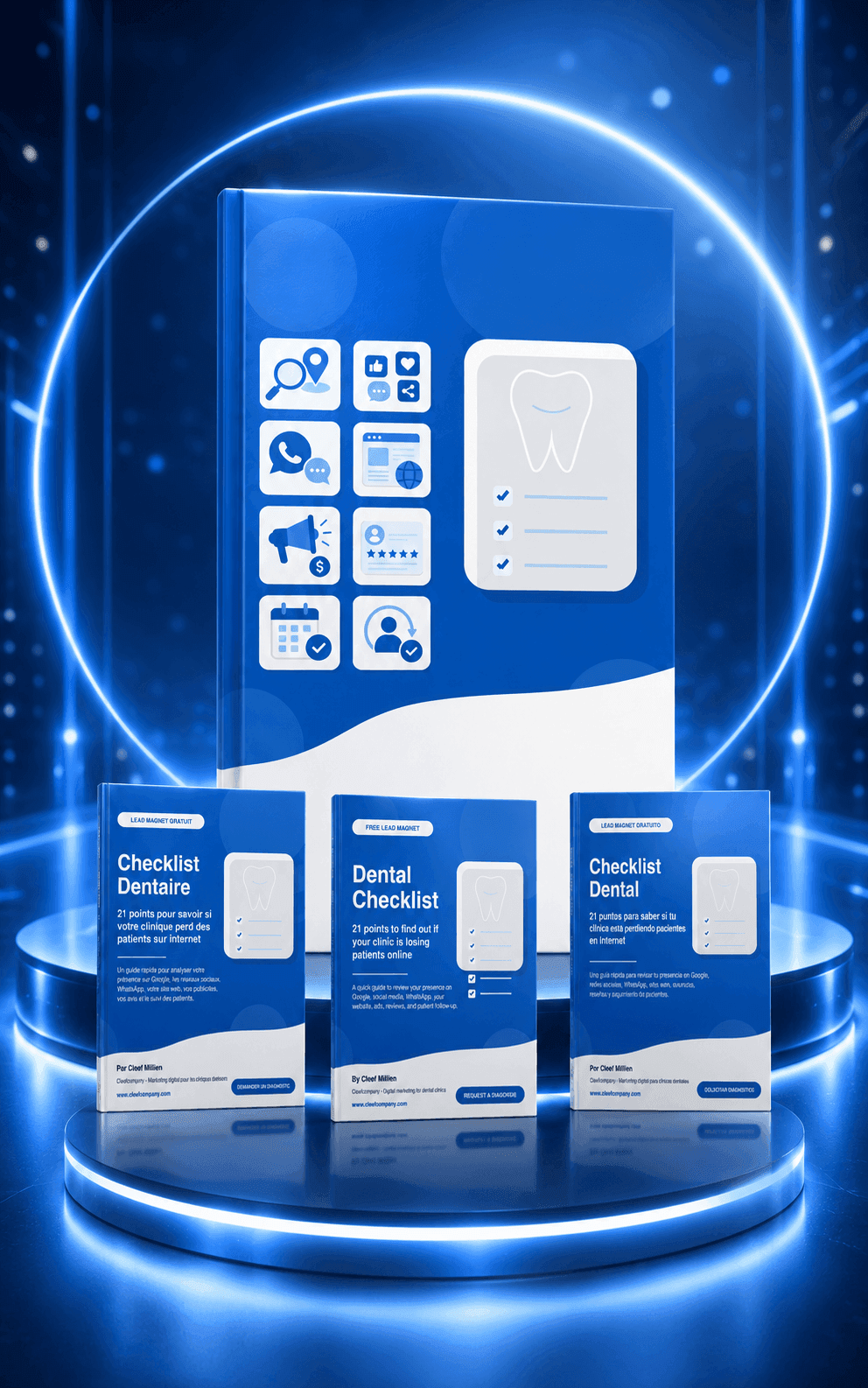
I invite you to download the ebook “Attract and Sell to Your Ideal Customers” to create your lead generation funnel.

Enter your name and email here!
[fluentform id=”3″]
How to implement an automated funnel
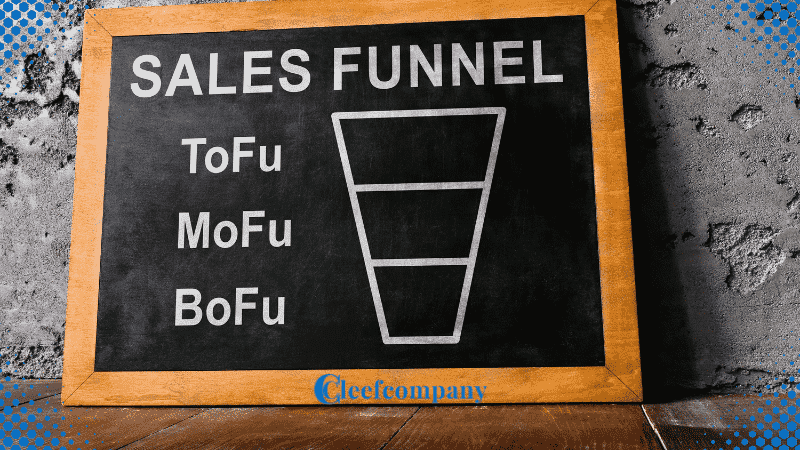
How to implement an automated funnel
Below we explain how to start implementing this type of funnel in your business:
1. Define and have your objectives clear:
Before you start creating a funnel, it's important set clear goals and objectives for your company.
Define clearly the results you expect to achieve with its funnel, such as an increase in lead conversions or a higher ROI of specific campaigns.
2. Organize your funnel in advance:
After setting your goals, map out the stages of your funnel on your whiteboard in the office or digitally, from initial contact to sale.
Think about each step of the customer journey and what type of content and experiences should be included at each stage. He leaves nothing to chance.
3. Select the right digital tools for your business:
Once you have a clear outline of your funnel, decide which digital technologies you will use to implement it, such as email marketing software or web forms that capture contact information.
Remember, always choose options that are integrated with each other and easily sync with other tools.
Consider both free and paid services based on your budget and needs.
4. Create personalized experiences based on the needs of your ideal customers:
The most effective funnels offer personalized experiences tailored to each user's interests and preferences based on data collected by digital tracking tools such as cookies or analytics programs.
Use this data to craft messages that resonate with individuals more effectively than generic messages alone.
This can help you increase your sales even more.
5. Test and measure the results regularly:
Once you've implemented your funnel, closely monitor its performance using metrics such as click-through rates or conversion rates over time to see what works best for different audiences or different types of campaigns in general.
Remember, if you use paid campaigns, you should focus on measuring the KPIs that are related to the campaign you are running.
Make the necessary adjustments until you achieve the optimal results for your objectives.
By following these steps, companies can create an effective automated funnel that delivers personalized experiences to their customers.
Furthermore, you can achieve the desired results, such as increased lead conversion rates or improved campaign ROI, all without having to invest too much time and money in manually managing customer journeys through the sales process.
Tips for automated funnels
Here are some tips for setting up and optimizing your funnel:
- Use an attention-grabbing headline on your lead capture form to encourage them to subscribe.
- Provide value in your emails by sharing useful information or resources with your ideal clients.
- Personalize your emails by using the recipient's name in the subject and message body.
- Use A/B testing to test different elements of your funnel (e.g., headline, call to action, etc.) and see what works best for your audience
Key Benefits of Having Automated Funnels
1. Greater efficiency
An automated funnel can help increase the efficiency of your sales and marketing efforts by automating repetitive tasks that you routinely perform.
For example, You can use a funnel to automatically send follow-up emails to customers who have made a purchase on your website.
Additionally, you can use a funnel to segment your customer list and target specific groups with personalized marketing messages.
2. Cost reduction
This type of funnel can help reduce the costs associated with your sales and marketing efforts on an unimaginable scale.
For example, If you manually send follow-up emails to customers, you will have to pay someone to perform this task.
However, if you use a funnel, you can set up the system once and then it will continue to function without any further intervention on your part.
This can save you a significant amount of money over time.
3. Improved customer relations
Your customer relationships are important; an automated funnel can help you with this crucial task.
For example, If you use a funnel to send follow-up emails after a purchase, this can show the customer that you are interested in their satisfaction and that you value their business.
4. Greater reach
An automated funnel can also help you reach a wider audience with your sales and marketing efforts.
For example, Do you send mass emails? A funnel can help you reach a large number of people with your message without having to contact each person individually.
5. Increased sales
Ultimately, a funnel can help increase your sales by making it easier for customers to buy from you more frequently.
For example, If you want to encourage your customer to buy again in the future, you can use a funnel to send follow-up emails after they make their first purchase or send them directly to your next sales funnel.
Conclusion
Automated funnels are a powerful tool for businesses that want to streamline the customer journey, increase efficiency, and reduce costs.
By leveraging automated tools such as email marketing campaigns and segmentation, Companies can nurture ideal customers, improve relationships with existing customers, reach more people with their message, and ultimately boost sales.
If you want to maximize your sales efforts and minimize costs, this type of funnel is worth considering for your business.
Thanks to its ability to target specific audiences with relevant messages on a large scale, it has become one of the most effective ways for entrepreneurs and business owners to attract customers in today's digital world.
Would you like to have automated funnels in your business to increase your sales?
Frequently Asked Questions about Automated Funnels
What are automated funnels?
An automated funnel is a system that uses digital tools and technologies to guide potential customers through a sales process, from first contact to purchase, without constant manual intervention.
How does the automated funnel work?
The automated funnel works by using email sequences, behavioral tracking, and other marketing tools to engage and nurture leads at every stage of the customer journey, adapting to their actions and interests.
What is a funnel system?
A funnel system is the structure and tools used to create and manage an automated sales funnel. This includes marketing automation platforms, CRM, data analytics, and behavioral tracking tools.
What is the purpose of the conversion funnel?
The goal of the conversion funnel is to guide potential customers through a planned process that increases the likelihood of them making a purchase or taking a desired action, optimizing each stage to improve conversion rates.
What is a funnel and what is its function?
A funnel is a model that represents the customer journey from product awareness to purchase. Its function is to structure and optimize this process to maximize conversions and sales.
What is measured with the funnel?
Various metrics are measured, such as conversion rates, email open rates, click-through rates, time spent on the website, and abandonment rates at different stages of the funnel.
What are the advantages of using conversion funnel strategies?
Conversion funnel strategies allow you to automate and personalize the customer experience, increase efficiency, improve results measurement, reduce costs, and optimize the sales process to increase conversions.
What is the funnel approach?
The funnel approach refers to the strategy of guiding potential customers through a planned and structured process that maximizes conversion at each stage, from lead generation to final sale.
What is a conversion funnel?
A conversion funnel is a model that represents the customer's journey from the first contact with the brand to the final conversion, which can be a purchase, a subscription, or another desired action.
How to create a funnel strategy?
To create a funnel strategy, you must define your objectives, identify your target audience, create relevant content for each stage of the funnel, implement automation and tracking tools, and continuously optimize the funnel based on data and results.
What is optimizing the conversion funnel?
Optimizing the conversion funnel involves analyzing and adjusting each stage of the funnel to improve conversion rates, eliminating friction, and enhancing the user experience based on collected data.
How does an automated funnel help you sell more?
An automated funnel helps you sell more by personalizing the customer experience, nurturing leads effectively, automating repetitive tasks, measuring results in real time, and adjusting strategies based on accurate data.
What metric can help us improve our conversion funnel?
Metrics such as conversion rate, email open and click rates, time spent on site, abandonment rates, and cost per lead or acquisition help us identify areas for improvement in the conversion funnel.
What is a funnel and what is it used for?
A funnel is a model that guides potential customers through the sales process in a structured way. It serves to optimize the customer journey, increase conversion rates, and maximize sales.
Which report indicates where users start or exit the conversion funnel?
Funnel analysis reports, available on platforms such as Google Analytics, They indicate where users start or exit the conversion funnel, allowing the identification of friction points and optimization opportunities.






 Spanish
 English
0 Comments